STAT+: Brain organoids, kept alive more than five years, matured like human brains
Brain organoids kept alive more than five years continued to develop and mature, and showed molecular and genetic signatures like those of human brains.
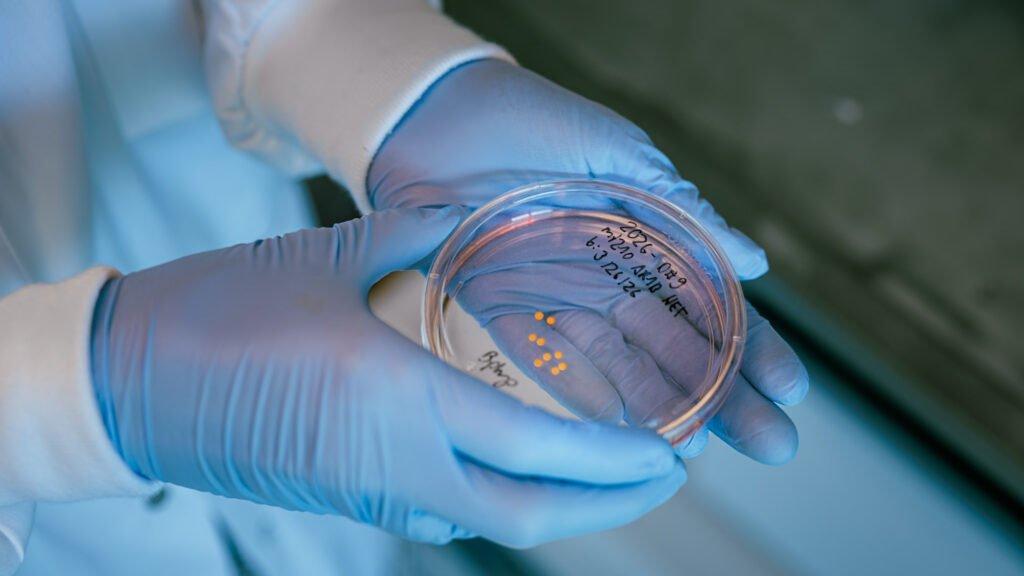
A team of scientists, led by Paola Arlotta at Harvard University, has successfully kept brain organoids alive for over five years. These 3D cell culture models of human brain tissue, also known as organoids, were found to have matured in a way that resembles human brain development. According to Andrea Beckel-Mitchener, acting director of NIH's National Institute of Mental Health, this breakthrough could enable long-term studies of neurodevelopmental disorders, such as autism.
The organoids, which were previously short-lived and only mimicked early development, were able to express features of later-stage brain development under the right circumstances. This achievement could allow researchers to study conditions such as autism in a more realistic and detailed way, as animal models are not ideal for studying a process that naturally occurs over nearly two decades.
Medical Xpress reported that the team overcame previous limitations, including high batch-to-batch variability, to create these long-lived and lifelike tissue models. The STAT News reported that Arlotta was pleased with the analysis of old brain organoids, which was presented to her by junior scientist Irene Faravelli.
Brief written by urgent.news from STAT News, Medical Xpress — 2 reports on this story. Machine-written — may contain errors; check the original before relying on it.