Some microbes could survive on the moon—that’s a big problem for NASA
Five common microorganisms found on Earth could survive at the lunar south pole, a new study finds, presenting a contamination risk for future human missions
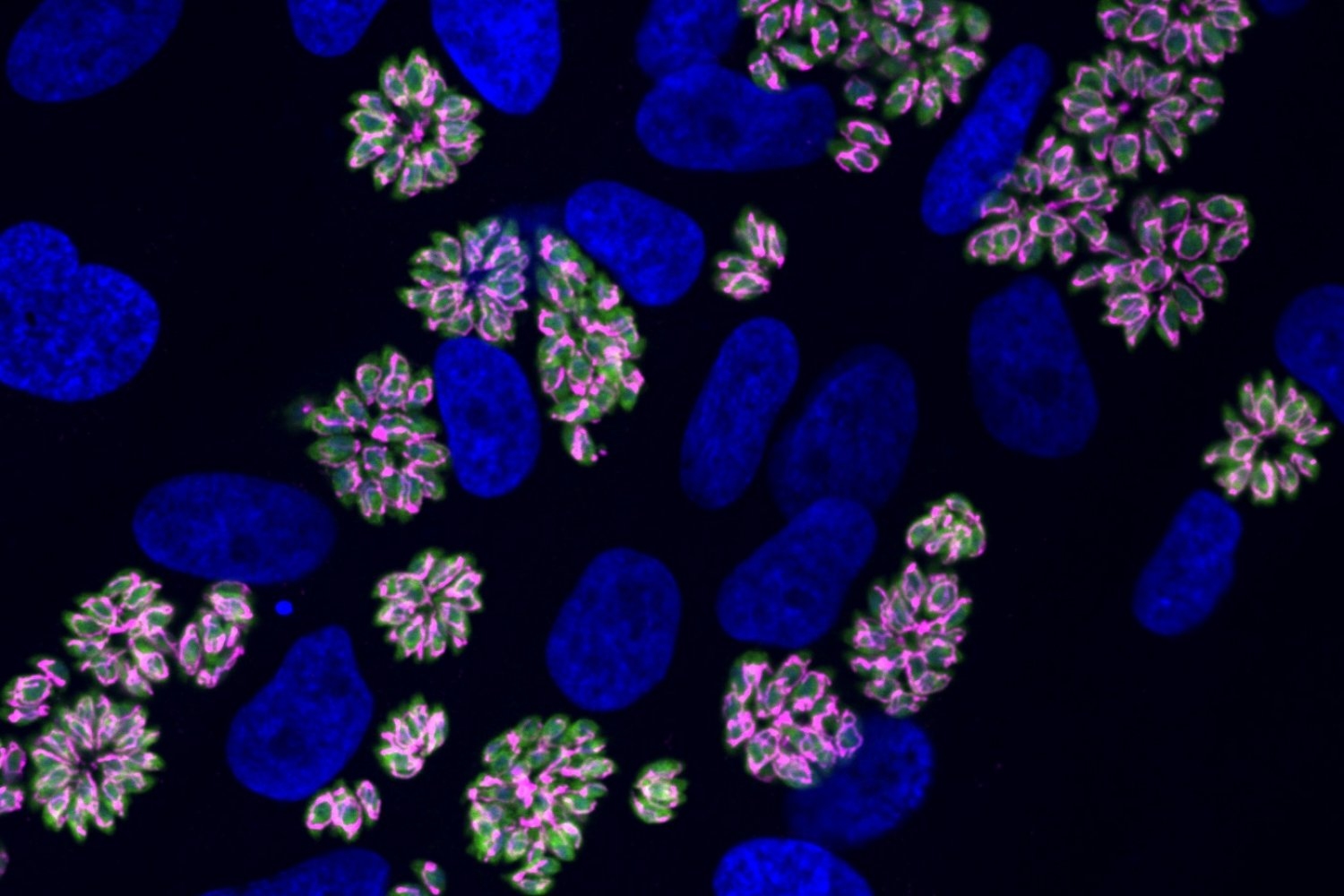
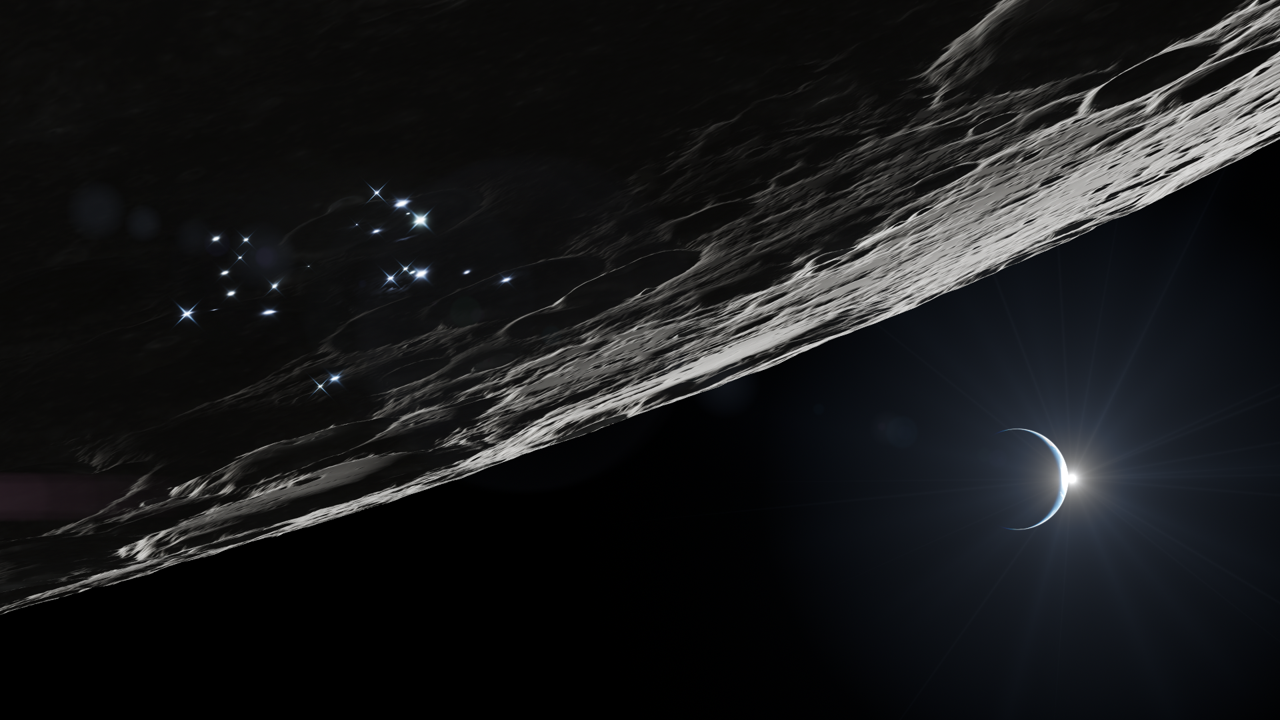
A new study has found that five common Earth microorganisms could survive at the lunar south pole, presenting a contamination risk for future human missions. NASA researchers discovered these microbes, which are resistant to extreme cold, could potentially live in permanently shadowed regions (PSRs) on the moon. These PSRs, found in large craters, are shielded from sunlight and extreme heat, making them suitable environments for microorganisms.
Heather Graham, a NASA geochemist, emphasizes the importance of preserving the moon's native materials and signals to understand its history and connection to Earth. The study also highlights practical concerns for astronauts, such as the need to understand the lunar soil's chemical composition for establishing farms. The researchers selected three types of bacteria and two fungi for their study due to their ease of contamination on spacecraft.
Graham sees potential for future research in these unique polar regions, which could serve as a natural laboratory for microbiology and other studies.
Written by urgent.news from Scientific American's reporting — not their text. Machine-written — may contain errors; check the original before relying on it.
This story
This is one outlet's version. Read the fullest account.
- NASA estimates the size of the hole SpaceX made in the moon theregister.com