Several Fed officials wanted to raise rates last month. If inflation doesn't come down, more of them see hikes.
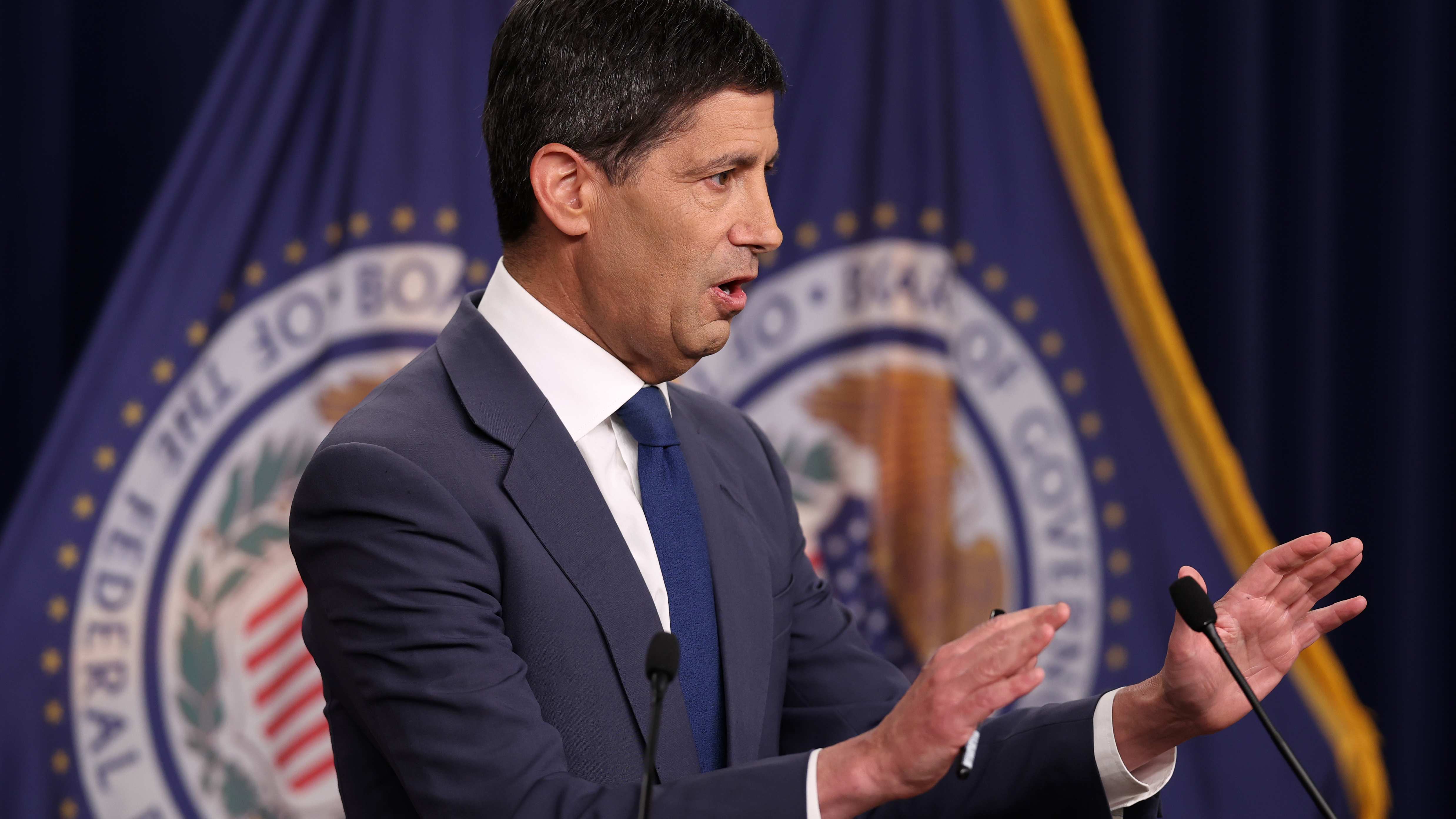
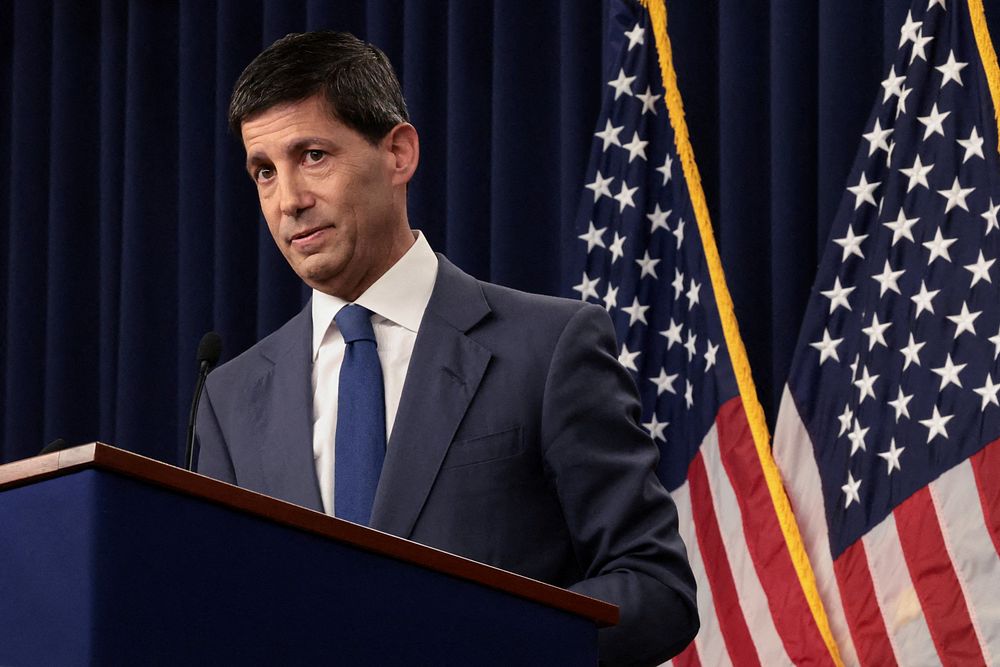
Several members of the Federal Reserve advocated for raising interest rates during the central bank’s policy meeting last month, even though most members favored maintaining the same rates, according to minutes released on Wednesday. Those in favor of rate hikes argued that price pressures were widespread and believed a higher interest rate would help curb economic activity and reduce inflation.
Three voting Fed officials — Beth Hammack (Cleveland Fed), Lorie Logan (Dallas Fed), and Neel Kashkari (Minneapolis Fed) — disagreed, opting to increase rates by a quarter percentage point. Since the meeting, additional Fed officials such as Jeff Schmid (Kansas City Fed) have expressed support for higher rates to combat inflation.
After the meeting, an inflation report on the Consumer Price Index for July indicated prices fell for the second consecutive month, while wholesale prices showed a mixed trend. Fed members reiterated that raising rates would be necessary if inflation remains high, emphasizing that incoming information would heavily influence their deliberations.
Many believed policy tightening would likely be needed if inflation didn’t decrease. Various participants noted that bond yields had risen due to robust economic growth and expectations of future rate increases from the Fed. Most expected inflation to ease later in the year as the impact of tariffs and earlier energy price hikes diminished, but some cautioned that inflation may persist.
New York Fed President John Williams believed the effects of recent tariffs on inflation would be minimal. Regarding the AI industry’s influence on inflation, some Fed members thought its impact on consumer prices was limited to certain sectors like computers and smartphones, while others believed it would have broader price effects.
Meanwhile, Federal Reserve Chair Jerome Powell suggested a less frequent meeting schedule—six times a year instead of eight—to allow more time for information accumulation and deliberation. The Fed currently convenes eight times annually, and no decisions on altering the meeting frequency were made at the meeting.
Written by urgent.news from Yahoo Finance's reporting — not their text. Machine-written — may contain errors; check the original before relying on it.