Q&A: What is ‘long-duration energy storage’ – and why does the UK need it?
The UK is pioneering the use of “super batteries” that can store energy for long periods, smoothing the output from… The post Q&A: What is ‘long-duration energy storage’ – and why does the UK need it? appeared first on Carbon Brief .
Long-duration energy storage (LDES) is a revolutionary technology that the UK is leading in the development of, designed to store energy for extended periods, smoothing out the output from renewable sources like wind and solar power. This innovative solution is crucial as the country progresses towards achieving net-zero emissions.
The primary purpose of LDES is to store energy during times of abundance, such as when wind is strong or the sun is shining, and release it when supplies are scarce, like during periods of low wind or no sunlight. These gaps can last for several days or even weeks, a phenomenon known as “dunkelflaute,” a German term translating to “dark doldrums.”
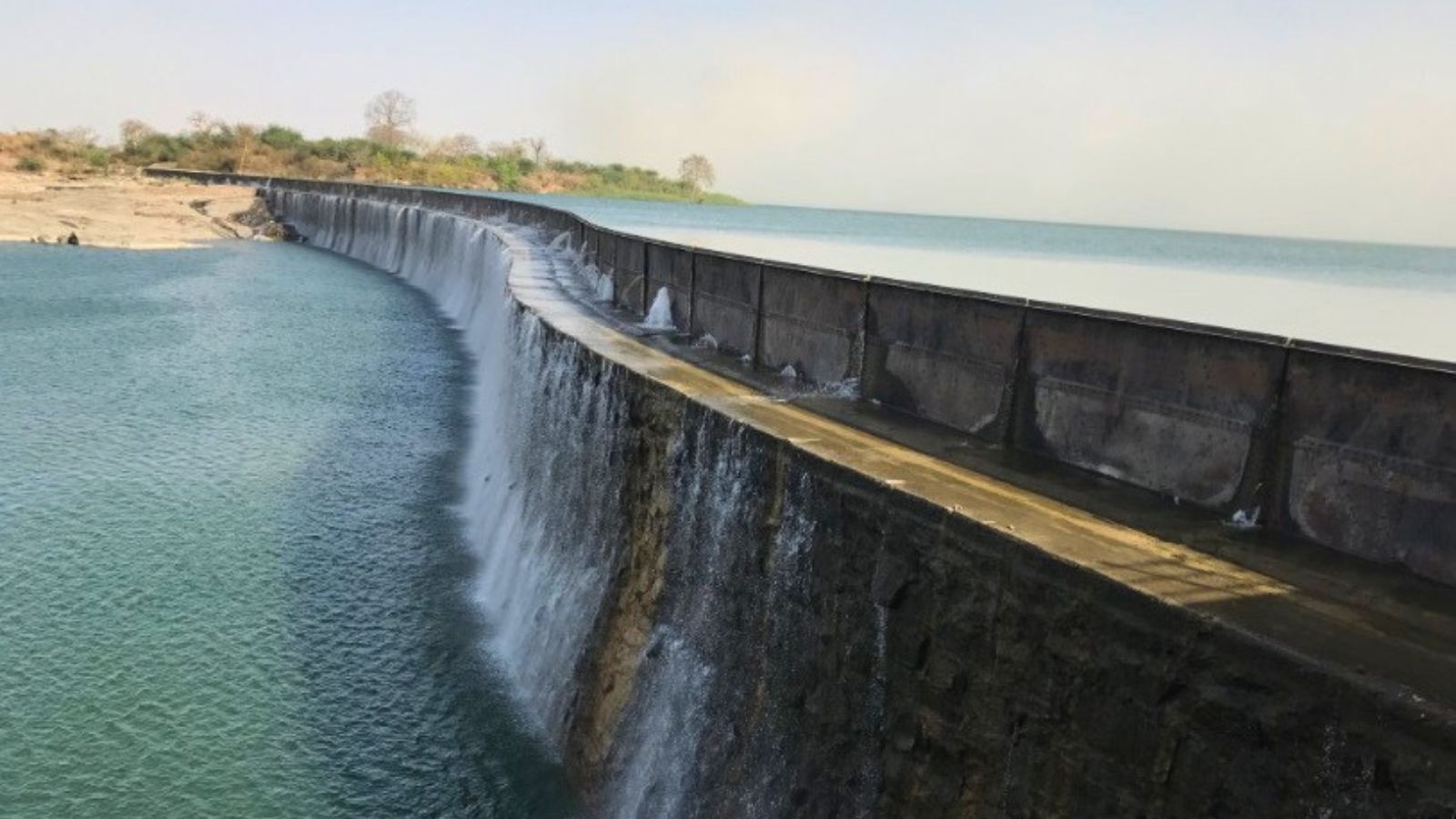
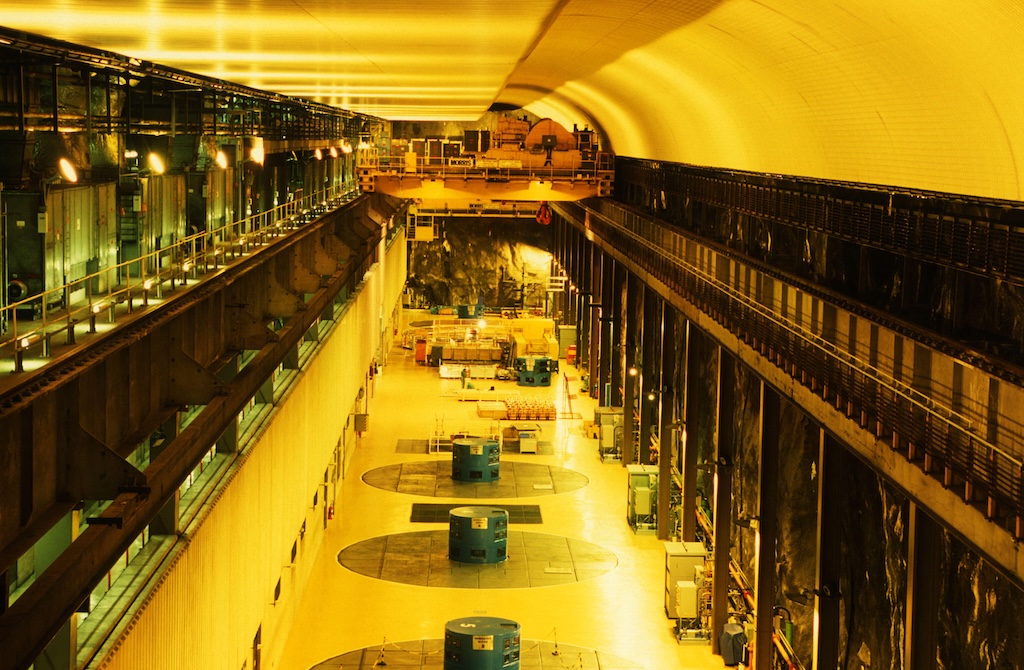
Recognizing the importance of this technology, the UK’s energy regulator, Ofgem, has identified 16 projects that it is considering supporting under a new “cap-and-floor scheme.” This scheme aims to encourage the adoption of various long-duration storage technologies, including pumped hydro, which has traditionally been the go-to method for long-term storage; large lithium-ion batteries, known for their efficiency in storing electrical energy; flow batteries, which utilize novel chemical processes; and compressed-air storage, a method that stores energy in the form of compressed air in underground reservoirs.
The implementation of these technologies is projected to significantly reduce the costs associated with the UK’s energy system by over £24 billion between 2030 and 2050.
This Q&A aims to delve deeper into what LDES entails, the types of technologies available, the UK’s specific needs, the planned utilization of different LDES methods, and the potential impact on energy bills. By understanding the role of long-duration energy storage, the UK is not only positioning itself at the forefront of renewable energy innovation but also paving the way for a more sustainable and economically viable energy future.
Written by urgent.news from Carbon Brief's reporting — not their text. Machine-written — may contain errors; check the original before relying on it.