On Women and The Water Cure: Nine Memoirs About Wild Swimming
“Wild swimming” is a term coined by British nature writer Roger Deakin in his cult classic Waterlog: A Swimmer’s Journey Through Britain (1999), about his year swimming outdoors all over the UK. A paean to the joys of daily, year-round
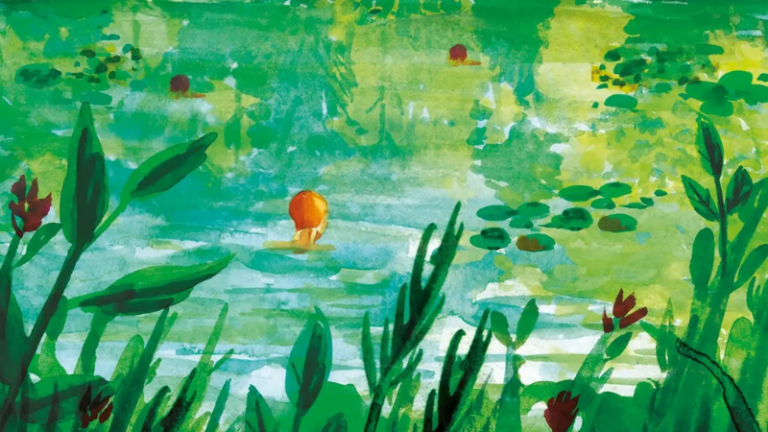
"Wild swimming" is a term coined by British nature writer Roger Deakin in his 1999 book Waterlog: A Swimmer's Journey Through Britain. It refers to the practice of immersing oneself in rivers, seas, ponds, and lakes year-round, often in temperatures ranging from heart-stopping to extremity-numbing. The phenomenon gained popularity across the UK and Ireland, leading to the establishment of the Outdoor Swimming Society in 2006, which now has over 200,000 members.
Intriguingly, a survey conducted in 2023 found that roughly three-quarters of its members are women. These women swim not for athletic competition or bravado, but for the healing and empowerment that comes from connecting with the natural world and their own bodies. Authors such as Amy Liptrot, Victoria Whitworth, and Jessica J. Lee have penned memoirs about their experiences with wild swimming, describing how it helped them heal from addiction, pain, and personal struggles.
For Liptrot, swimming in the cold waters off the Orkney Islands brought a sense of elemental connection and helped her rediscover her sense of self. Whitworth, who swam daily and with groups of women, found that the varied conditions of the water conditions influenced her emotional state, allowing her to rediscover her strength and love for her body.
Lee, who swam in different lakes every week for a year, used her experiences to explore themes of multinational identity, migration, and environmental history.
Written by urgent.news from Literary Hub's reporting — not their text. Machine-written — may contain errors; check the original before relying on it.