Next chapter of India's EV revolution: Why software and emerging tech will matter more than speed
EV vehicles continuously record location, charge level, distance travelled, battery activity and inactive period. However, collecting data without proper action has limited value.
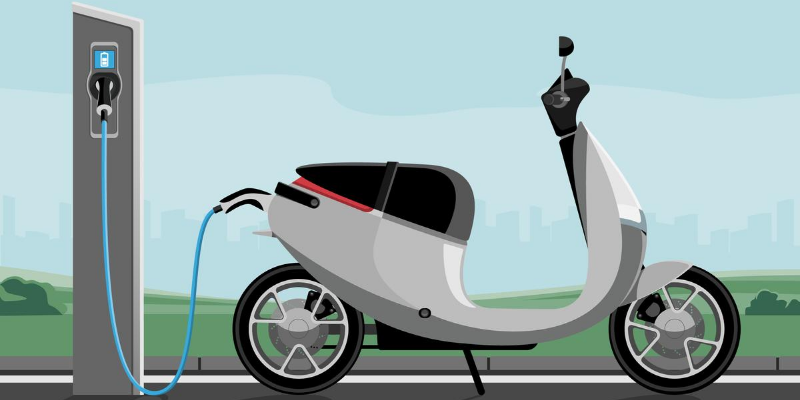
India's electric vehicle (EV) revolution is poised for a new chapter, with software and emerging technology playing a more crucial role than sheer speed. The country's rapidly growing EV two-wheeler market is a key driver of this transformation. According to EVreporter Intelligence, EV sales in India reached 25,50,865 units in FY2025–26, up 25.02% year-on-year. Electric two-wheelers accounted for 57.9% of total EV purchases, with a 22% volume growth.
The challenges of managing thousands of vehicles, batteries, riders, and maintenance requirements have led operators to seek robust software solutions. Effective EV fleet management software can provide a structured approach to evaluating critical factors such as vehicle deployment, rider reports, stationary bikes, battery swaps, and unpaid dues. By leveraging data from Vahan Dashboard and Telangana Regional Transport, operators can make informed decisions that impact the profitability of their fleet.
Key features of such software include fleet tracking, geofencing, battery diagnostics, analytics, and predictive maintenance. These tools enable operators to promptly identify vehicles requiring servicing, bikes operating outside designated areas, and stationary vehicles. GPS tracking conducts virtual headcounts, while geo-fencing identifies vehicles at hubs and those operating beyond assigned areas. This real-time information empowers recovery teams to locate issues swiftly, without manual assistance.
Battery performance monitoring is another critical aspect of EV fleet management. As India's demand for EVs grows, the International Energy Agency reports that the country sold 1.3 million electric two-wheelers in 2024. The Global EV Outlook 2025 notes that removable batteries have spurred the development of swapping stations, particularly for taxis and delivery vehicles.
Monitoring battery health through software can help detect anomalies in usage patterns, rider activity, and maintenance needs, enabling proactive servicing and reducing unexpected breakdowns.
For individual electric bikes, fleet-wide revenue figures may mask underperforming assets. Unit-level accounting, which breaks down income and expenses for each vehicle, provides a clearer picture of profitability and helps identify bikes with recurring issues or declining utilisation. Automated reminders, payment links, and escalation rules streamline administrative tasks, allowing staff to focus on complex cases rather than manual data entry.
Moreover, software can proactively address rider retention issues. By analyzing patterns such as missed workdays, reduced swaps, lower kilometers, payment disputes, or irregular app activity, operators can identify riders who may disengage. Timely human intervention can then address underlying concerns, such as bike damage, earnings issues, family emergencies, or confusion over deductions. This human-centered approach helps maintain rider loyalty and prevents avoidable departures.
As India's EV landscape evolves, the integration of advanced software solutions will be essential for operators to maintain profitability, improve efficiency, and enhance rider satisfaction. By harnessing the power of data-driven insights, the industry can navigate the complexities of managing a rapidly expanding EV fleet, ensuring a smoother transition towards a sustainable future.
Written by urgent.news from YourStory's reporting — not their text. Machine-written — may contain errors; check the original before relying on it.