NASA Updates Next Steps for Commercial Swift Boost Mission
Due to an ongoing commercial spacecraft attitude control issue, NASA and Katalyst Space announced Wednesday the LINK spacecraft will not capture or boost an agency satellite to a higher altitude to extend its science mission as planned. However, LINK still will attempt to conduct rendezvous and proximity operations with NASA’s Neil Gehrels Swift Observatory to […]
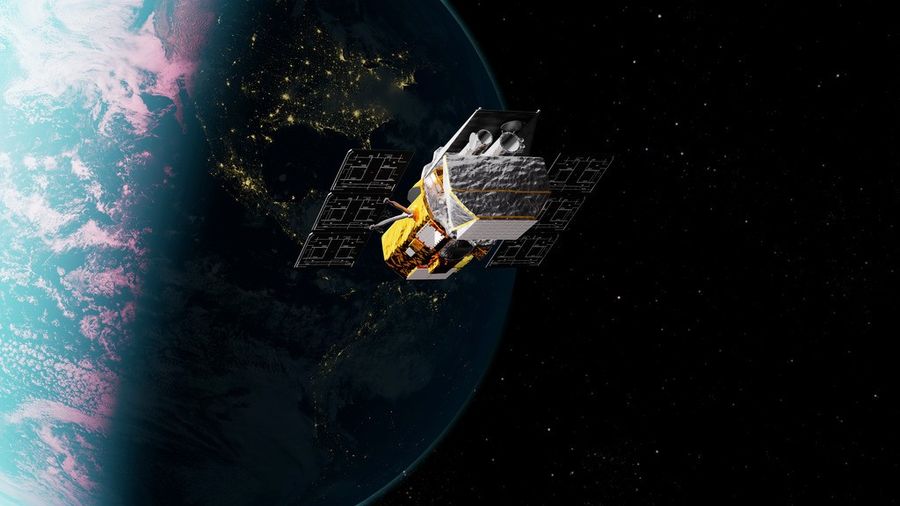
NASA is adjusting its plans for the commercial spacecraft LINK after it failed to capture the Neil Gehrels Swift Observatory for an altitude boost. The agency and Katalyst Space announced Wednesday that LINK will not attempt to boost Swift, despite the mission's high-risk, high-reward nature. However, LINK will still attempt to rendezvous with Swift to showcase key capabilities for future space exploration.
NASA Administrator Jared Isaacman emphasized the importance of taking smart risks to maximize the mission's return. NASA and Katalyst are working together to analyze the data from LINK's efforts to inform future satellite servicing operations. As Swift's orbit continues to decay due to increased solar activity, the spacecraft is likely to re-enter Earth's atmosphere later this year.
NASA will continue seeking new options to respond to cosmic events promptly, utilizing current missions to fill any gaps in the meantime.
Written by urgent.news from NASA's reporting — not their text. Machine-written — may contain errors; check the original before relying on it.