Is Iran losing control of Strait of Hormuz? What shipping data shows as US steps up patrols
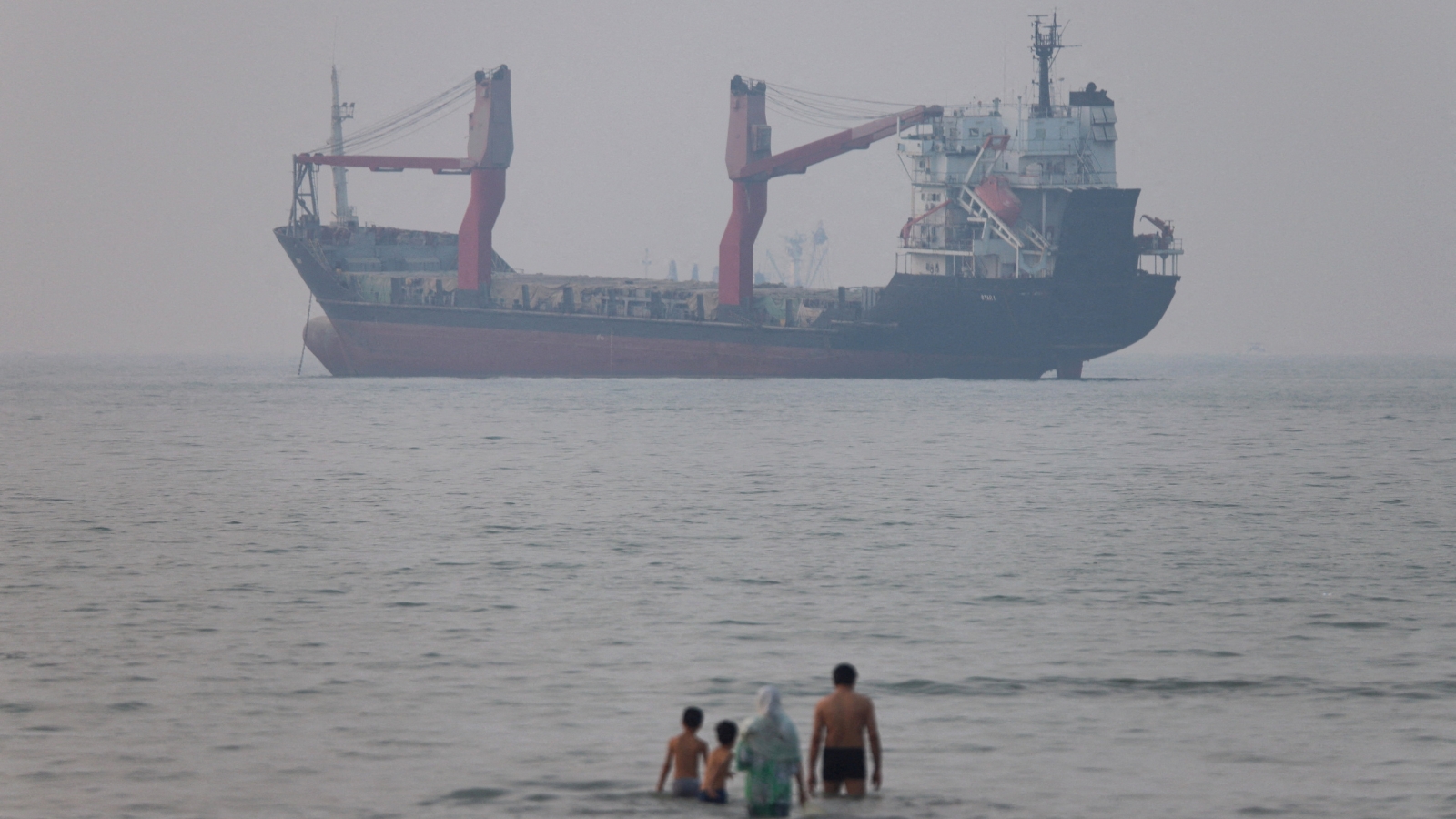
The struggle for control over the Strait of Hormuz is shifting, according to new vessel-tracking data and US assertions of dominance, while Iran maintains its stance of retaining sovereignty over the vital waterway. Recent figures from maritime intelligence provider Kpler reveal only six merchant vessels made the crossing on Tuesday, a significant drop from the nine vessels recorded the previous day and below their ten-day average of 11.
Concerns about the strait's safety have kept most shipowners away, with the current crossings at just over a tenth of the normal rate. The Strait of Hormuz once handled about one-fifth of global crude oil and liquefied natural gas shipments, making any disruption a serious concern for energy markets. The US claims control over the waterway, with President Trump stating Washington has "total control" of the Strait.
However, the latest data does not support this assertion, as US naval forces have been patrolling the area but the number of ships actually passing through remains limited. Iran asserts that the strait remains closed to shipping, with Tehran retaining control and management of the route. The competition between the US and Iran for control over the Strait of Hormuz is further complicated by the fact that neither side's claim aligns fully with the data, with commercial traffic still far below pre-war levels.
One small consolation for Iran is that some ships are now using the Omani corridor, a UN-authorized shipping channel that Iran has opposed. However, this shift does not fully compensate for the overall drop in traffic through the Strait, which remains well below pre-war levels. The shifting dynamics over the Strait of Hormuz could have significant implications for global energy markets, as any further disruption would likely lead to higher oil prices and increased costs for importing nations such as India.
Written by urgent.news from The Indian Express's reporting — not their text. Machine-written — may contain errors; check the original before relying on it.
This story
This is one outlet's version. Read the fullest account.
- Egypt, Oman FMs stress need to keep Strait of Hormuz open egyptindependent.com