Iran claims control, ships choose Omani route: What's changing in Strait of Hormuz
The ongoing battle for control of the Strait of Hormuz has seen both Iran and the United States laying claim to dominance in recent months. This struggle has introduced uncertainty regarding the degree of control each nation asserts over the vital waterway. According to shipping data, the United States is gaining an advantage as its navy strengthens its presence in the strait, while Iran seems to be losing grip on certain areas.
In the past two weeks, more than 80% of vessels passing through the Strait of Hormuz have utilized the Omani route – a UN-approved shipping channel opposed by Iran, as reported by Kpler, which tracks ships using transponders and satellite data.
Shipping traffic has been sluggish in the Strait of Hormuz, with reports indicating most shipowners are still avoiding the critical waterway due to unclear signals on its reopening. Iran has asserted control over the strait, launching attacks on numerous ships attempting to navigate the waterway along Oman’s northern coast. Nevertheless, most vessels have continued to cross the strait, disregarding Iran's demands and leveraging protection from the US naval forces.
The recent expiration of the US-Iran Memorandum of Understanding did provide Iran with the opportunity to resume charging tolls for vessels using the Strait of Hormuz. However, Kpler data shows that Iran hasn't been able to do so. This presents a stark contrast with a month ago, when Kpler recorded almost no shipping activity along the Omani route.
The significant dip in traffic along Iran's preferred path has also hindered Tehran's ability to collect tolls on vessels passing through the strait, a practice they employed during the spring.
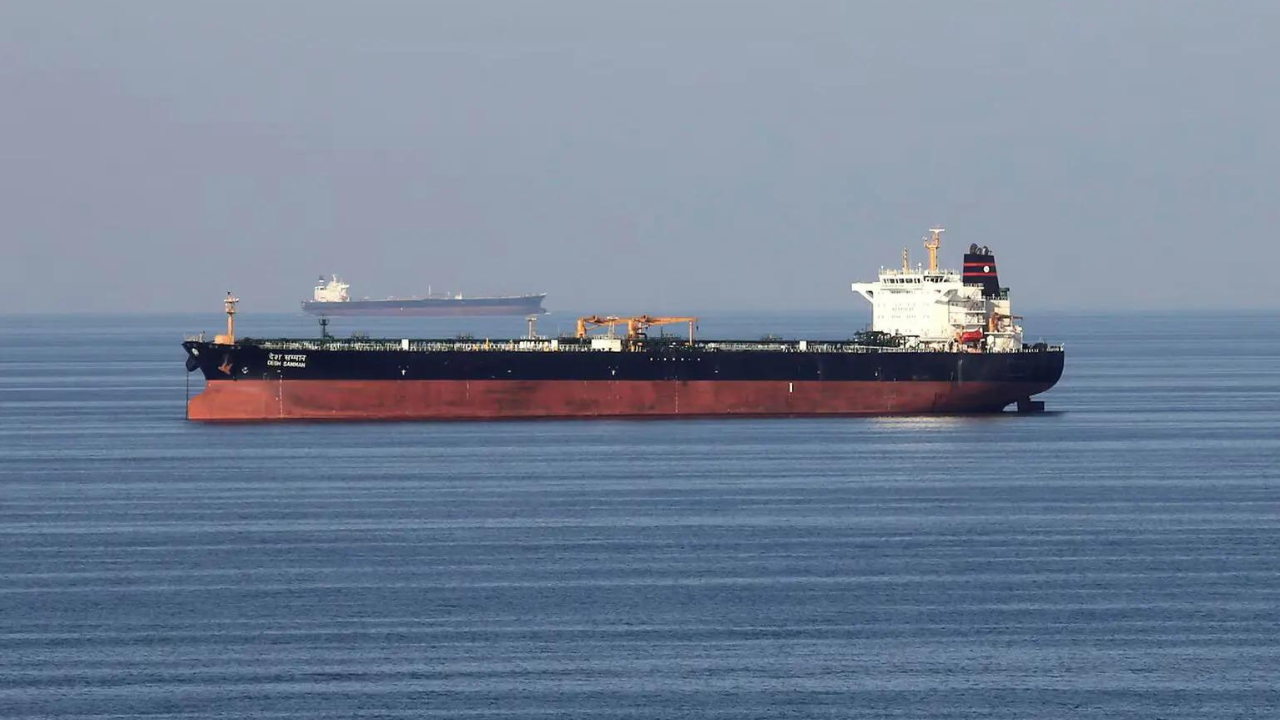
Chartering Very Large Crude Carriers (VLCCs), the largest oil tankers, to transport crude out of the Persian Gulf through the Strait of Hormuz has been undertaken by Kuwait, Saudi Arabia and the United Arab Emirates. The oil is subsequently transferred to customers' tankers outside the hazardous zone in the Gulf of Oman. To evade Iranian attacks, these tankers have turned off their transponders, sometimes for weeks at a time.
This "dark traffic" may not be detected by some tracking services; however, certain vessels can still be monitored via satellite data.
Despite the US claiming "total control over the strait," the situation remains complex. Iranian attacks have persisted, and oil flows have remained far below pre-war levels, suggesting that the US might not have full control of the Strait of Hormuz. US President Donald Trump has repeatedly asserted US control over the strait during the conflict.
Meanwhile, Oman and Iran are negotiating to restore free navigation through the strait without US involvement, which could influence oil traffic and control over the strategic waterway. However, the extent of this impact remains uncertain.
Written by urgent.news from Times of India's reporting — not their text. Machine-written — may contain errors; check the original before relying on it.