From 40% to the 90s: How KEMSA is rewriting Kenya’s health supply chain
KEMSA CEO Dr Waqo Ejersa outlined the reforms during a high-level Health Systems Performance session on Service Delivery, Health Workforce, Health Products and Technologies, and Local Manufacturing held during the Kenya Health Summit.
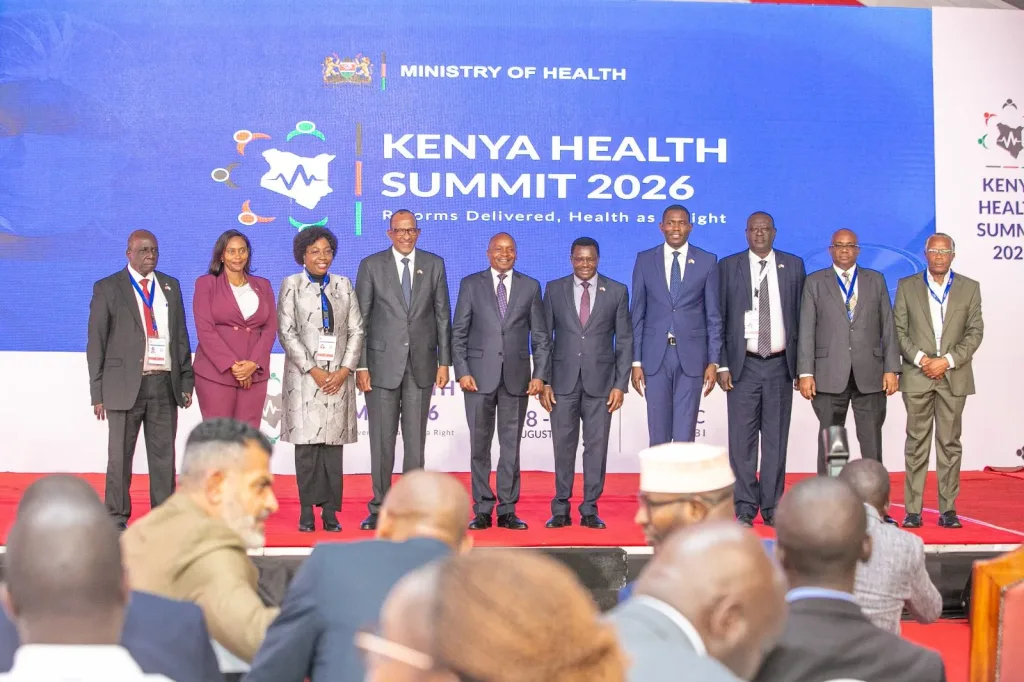
Nairobi, Kenya — The Kenya Medical Supplies Authority (KEMSA) has transformed its order fill rate from around 40 percent in 2022 to over 90 percent, bringing about a significant improvement in the availability of medicines and health products in public health facilities, according to KEMSA CEO Dr Waqo Ejersa. Instead of merely increasing the purchase of supplies and distributing them to facilities, KEMSA has refocused its strategy on demand, efficiency, predictability, technology, and data to ensure that the right Health Products and Technologies (HPTs) are available where and when they are needed.
The reform initiative kicked off with KEMSA consulting its stakeholders to understand the actual needs of health facilities. By moving away from managing nearly 3,800 Stock Keeping Units (SKUs) to comprehending demand across the health system, the authority prioritized critical HPTs and aligned procurement with actual requirements.
In addition, KEMSA adopted a "shrink and grow" approach, significantly reducing unnecessary inventory while strategically increasing the availability of commodities where demand is highest. The authority also introduced two-year framework contracts to enhance predictability, providing suppliers with greater certainty and facilitating a more consistent flow of health products.
Technology plays a crucial role in KEMSA's transformation. Through the Centralized Exchange Warehouse Automation System (CEWAS), KEMSA is streamlining commodity stocking and visibility, enabling more informed decision-making regarding stock levels, storage locations, and replenishment schedules. The digital systems aim to make the supply chain more responsive and data-driven, relying less on reactive measures after shortages occur.
Deputy President Kithure Kindiki, speaking at the Kenya Health Summit, confirmed the progress, highlighting that KEMSA, previously in disarray in 2022, now has an order fill rate of over 90 percent. However, Kindiki emphasized the need to consolidate these gains by further strengthening Kenya's health commodity security system. He called for the Logistics Management Information System to be integrated with other government systems to improve data quality and usage, aligning with the Government's overall digitization agenda.
The transformation is significant as the Government strives to achieve Universal Health Coverage, ensuring patients have reliable access to essential medicines and health products at public facilities. For KEMSA, the shift from a 40 percent order fill rate to the 90s signifies a move from simply pushing products to responding to demand, from stockpiling excess supplies to strategic stockpiling, from reactive shortage management to proactive need anticipation, and from an uncoordinated approach to data-driven decision-making.
The ultimate goal remains to sustain these improvements, enhance digital integration, and ensure that enhanced supply chain performance translates into more dependable access to essential medicines and health products for patients across Kenya.
Written by urgent.news from Capital FM Kenya's reporting — not their text. Machine-written — may contain errors; check the original before relying on it.