Decapitados sin intérprete. ¿Todos son iguales?
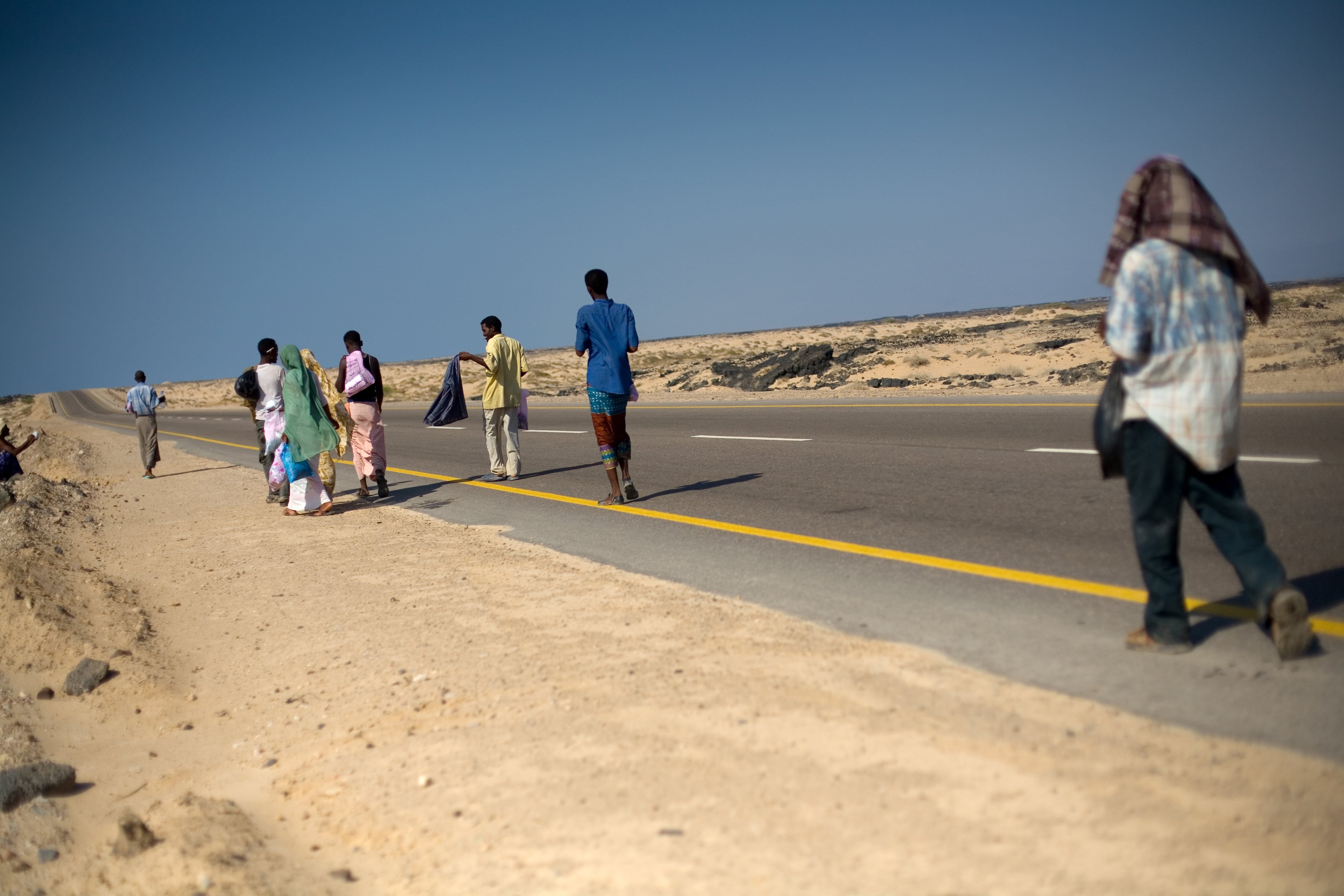
Emigrantes etíopes que trabajan en Arabia Saudí están siendo condenados y ejecutados en juicios sin abogados ni traductores
A group of decapitated bodies were found in Polynesia, raising questions about their identities and the accuracy of the legal system. The case, reminiscent of Jack London's story "The Chinago" from his book "The South Seas," centers around a Chinese immigrant named Ah Cho being sentenced to death for a murder he did not commit. The French authorities had brought Ah Cho before a judge in the colony, accusing him of the heinous crime committed in the labor camp.
However, Ah Cho was utterly confused and did not understand the white men before him, nor the language they spoke. He maintained his innocence throughout the proceedings. As his executioner prepared to carry out the sentence, Ah Cho noticed an error in the transcript - the wrong name had been written. Desperate to correct the mistake, he clarified to the gendarme that his name was Ah Cho, not Ah Chow as written.
The gendarme realized the judge had made an egregious error in writing the name of the actual condemned man. The execution order had been issued in error, with the judge having written the wrong name. It serves as a stark reminder of the importance of accurate record-keeping and the potential consequences of mistaken identities in the legal system.
Written by urgent.news from El Pais's reporting — not their text. Machine-written — may contain errors; check the original before relying on it.