ClarityCheck people-finder left millions of face photos exposed, likely without their knowledge
ClarityCheck, a facial-identification tool for which it’s hard to think of many legitimate uses, reportedly left millions of face photos publicly exposed on the internet in a major privacy breach. It’s likely that the vast majority of victims had no idea their photos had been uploaded to the site, and had never granted consent …
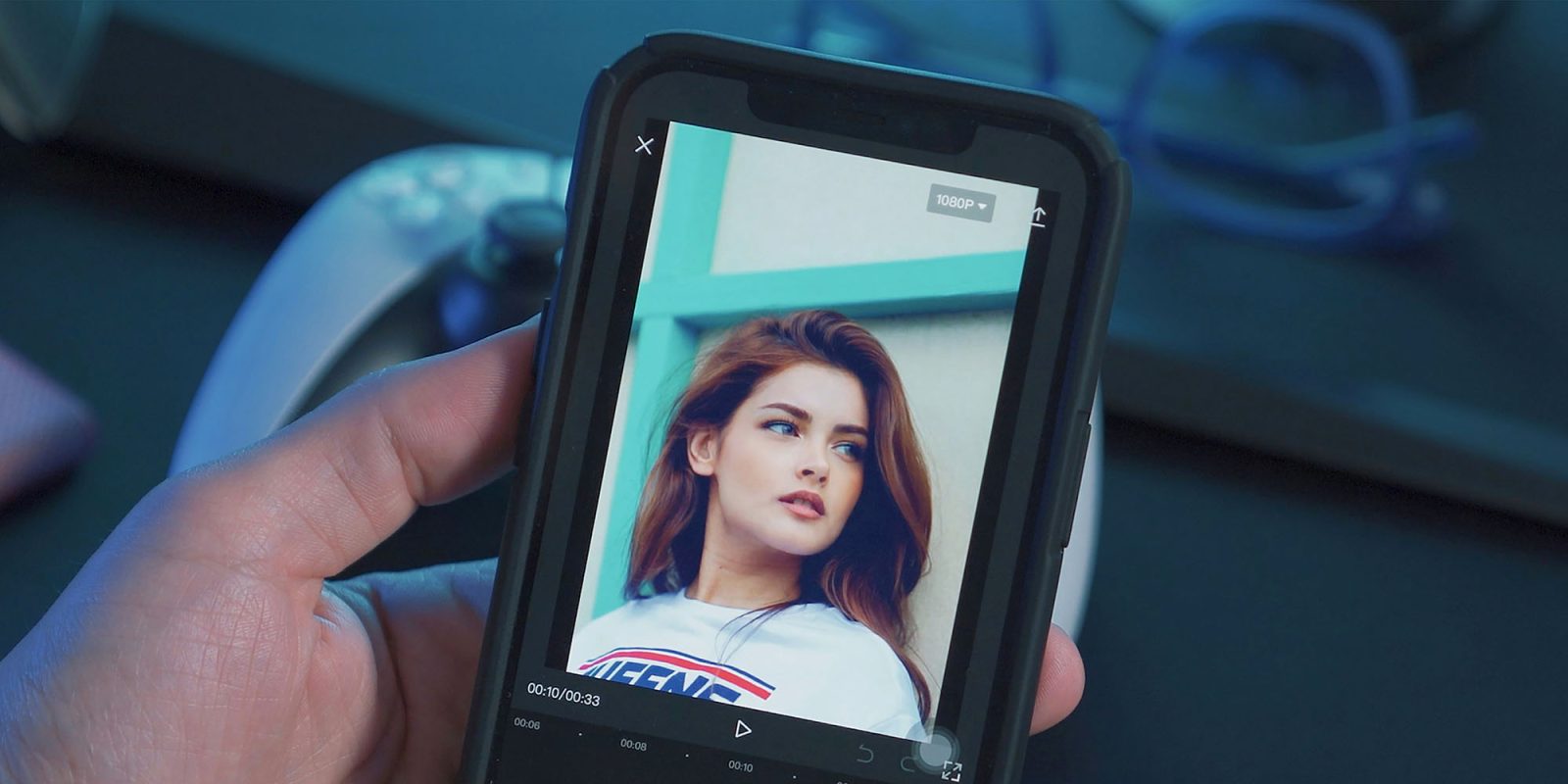
Facial identification tool ClarityCheck inadvertently exposed millions of photos on the internet, likely without the knowledge of those depicted. The service reportedly contained over nine million image files totaling 450.2GB of data, primarily composed of facial images. ClarityCheck allowed users to upload photos for reverse searches on social media platforms, but security researcher Jeremiah Fowler expressed doubt about the consent process.
The website previously featured blog posts offering guidance on identifying individuals via email and social media platforms like Hinge. The exposed database contained images of adults, teens, and children, some of which may have originated from third-party sources such as social media accounts or dating app profiles. Scammers could potentially exploit the exposed photos to create fraudulent social media posts, leading to scams preying on family and friends.
ClarityCheck acknowledged ownership of the database and claimed to have secured the data following the discovery.
Written by urgent.news from 9to5Mac's reporting — not their text. Machine-written — may contain errors; check the original before relying on it.