Beyond the naked eye: What PM2.5, haze’s invisible threat, means for your health
PETALING JAYA, Aug 20 — As Malaysians once again experience a resurgence in haze pollution and deteriorating air q...
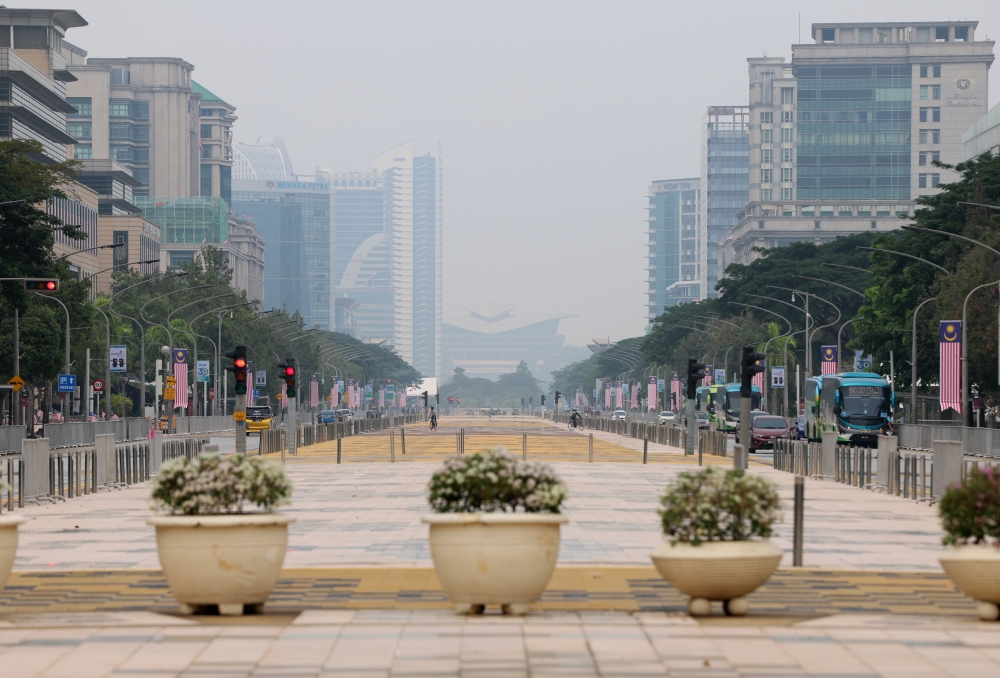
Petaling Jaya, Aug 20 — In Malaysia, haze pollution and declining air quality have returned, prompting individuals to take measures against its more noticeable health impacts. While coughing, sore throats, and itchy eyes may lead people to act, certain pollutants linked to haze cannot be seen with the naked eye and could pose additional threats that remain unaddressed by conventional protective measures.
These particles are known as PM2.5, tiny particles of particulate matter (PM) measuring 2.5 micrometres or less in diameter, capable of infiltrating deep into the lungs and causing health issues beyond the respiratory system. The World Health Organisation defines PM2.5 as a combination of solid and liquid particles, which can result from direct emissions or chemical reactions between gases in the atmosphere.
Common sources include traffic, industrial activities, power plants, construction sites, waste burning, fires, and agricultural practices. The difficulty in seeing these particles means exposure could occur unknowingly, even in the absence of immediate symptoms. While poor air quality generally harms the lungs, short-term exposure to haze can cause irritations like watery eyes, runny or blocked noses, sneezing, sore throats, coughing, phlegm, headaches, dizziness, and fatigue.
More serious cases may involve reduced lung function, chest tightness, chest pain, shortness of breath, and bronchitis. In the long term, prolonged exposure to PM2.5 has been linked to artery thickening, higher rates of cardiovascular deaths, increased chances of diabetes, and adverse pregnancy and infant outcomes, including low birth weight and premature death, according to the Health Ministry.
Inhaled PM2.5 particles enter the bloodstream and interact with other compounds in the body, potentially causing damage via inflammation. However, the risks are not exclusively for those with pre-existing health issues, as prolonged exposure can also affect healthy individuals, especially if levels are high or prolonged. To mitigate these risks, the Health Ministry suggests limiting outdoor activities, staying hydrated, consuming fresh produce, using air purifiers to lower indoor particulate levels, and employing N95 respirators when necessary.
Motorists should also switch their vehicle's air-conditioning system to recirculation mode. For those requiring extensive outdoor exposure, using an N95 respirator correctly is advised, as it can filter up to 95 percent of airborne particles measuring 0.3 micrometres in diameter. However, smokers are strongly encouraged to refrain from smoking during haze periods, as tobacco smoke combined with particulate pollutants can harm the lungs' airways and alveoli, potentially compromising respiratory health.
Written by urgent.news from Malay Mail's reporting — not their text. Machine-written — may contain errors; check the original before relying on it.
This story
This is one outlet's version. Read the fullest account.