Amid political and economic pressure, Brazil sees a rise in land conflicts and the murders of Indigenous people
Growing cases of violence against Indigenous people are linked to an impasse on the framework of rights and pressure against land demarcation, says the organization that advocates for Indigenous rights
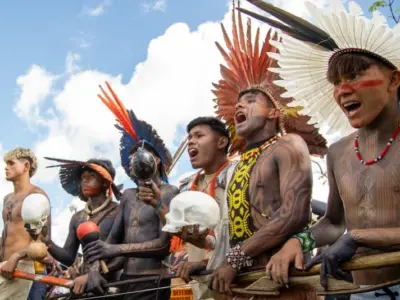
In Brazil, 258 Indigenous individuals lost their lives in 2025, as reported by Cimi, a council advocating for Indigenous rights. The victims' deaths were most often linked to disputes over land rights. On July 12, 2025, a 21-year-old Avá Guaraní Indigenous man named Everton Lopes Rodrigues was discovered beheaded in Guaíra, Paraná state, near an Indigenous territory.
A letter next to his body threatened further attacks, including setting fire to school buses with children, unless Indigenous communities vacated the land. The attack came just months after a similar incident where four Indigenous youngsters, including a seven-year-old, were injured. The region has experienced a long-standing conflict since the construction of the Itaipu hydroelectric dam, which displaced many communities.
According to Cimi's "Report on Violence Against Indigenous People," the number of Indigenous killings in Brazil rose in 2025, surpassing the average during Jair Bolsonaro's presidency. The report also noted a surge in suicide cases, with 34% of victims being under 19 years old and 41% between 20 and 29. Additionally, 57% of deaths occurred among babies and children, and many of these cases were deemed preventable.
Brazil's Indigenous population, which represents less than one percent of the country's total, stands at around 1.6 million out of 213 million people, according to the 2022 Census. The 1988 Constitution recognized Indigenous peoples' rights to the lands they traditionally occupied, but attempts to impose a "Marco Temporal" (milestone thesis) could limit their ability to claim territories they have occupied since before 1988.
Despite recent setbacks, including a constitutional ruling against the thesis, the National Congress continues to push for changes that could delay or obstruct land demarcation.
Written by urgent.news from Global Voices Brazil's reporting — not their text. Machine-written — may contain errors; check the original before relying on it.