AI boom, energy shocks see Southeast Asia growth bifurcate
Malaysia and Singapore were the second-and third-quickest expanding after Vietnam, helped by robust demand for semiconductors and other components used in global technology supply chains.
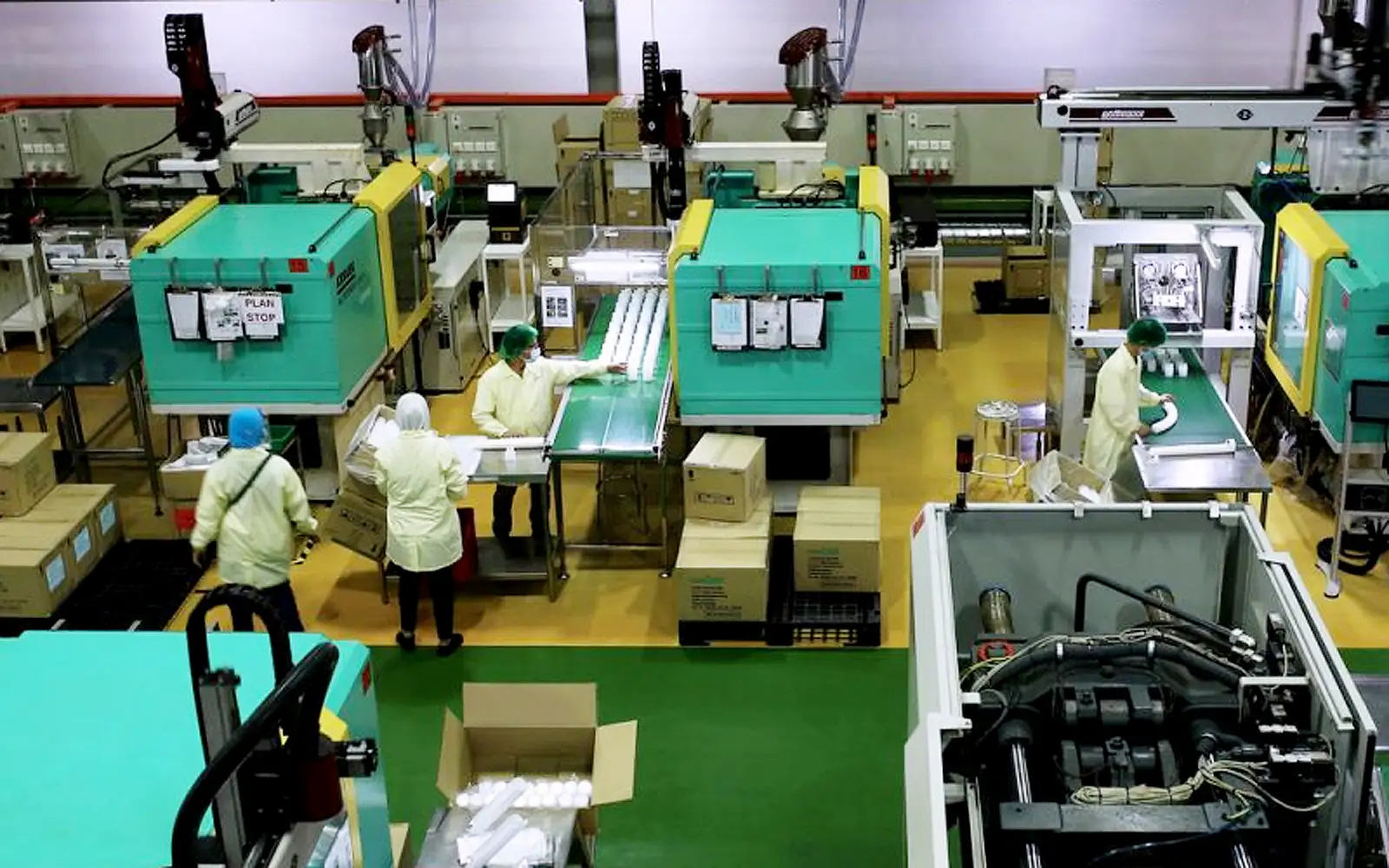
Vietnam maintained its status as Southeast Asia's fastest-growing major economy in Q2, while Thailand lagged behind, according to Bernama. The driving forces behind this growth were the tech and energy sectors, which created varied outcomes across the region. Malaysia and Singapore followed closely, with their growth fueled by a surge in demand for semiconductors and other technology components.
Thailand and the Philippines faced rising energy costs due to the Middle East conflict, and the Philippines' growth was further impacted by reduced infrastructure spending. This uneven distribution of growth highlights Southeast Asia's growing importance as a replacement for China in manufacturing exports, but also demonstrates the uneven benefits of this shift.
Companies involved in the AI technology supply chain are proving to be more resilient, while others more reliant on expensive imported energy are experiencing a slowdown. Policymakers in the region are now attempting to protect businesses and consumers from volatile oil prices without sacrificing economic growth. Economists from DBS Group Holdings Ltd. noted that growth has been uneven, influenced by each country's domestic resilience and the proportion of trade related to technology exports.
Oversea-Chinese Banking Corp. raised its forecasts for Vietnam and Indonesia, while downgrading the Philippines to 3.2% and Thailand slightly increasing to 2.4%. Despite differing fiscal responses to higher global oil prices, most economists expect growth upgrades rather than downgrades across the region, indicating that monetary policy tightening is likely to continue.
Singapore recently upgraded its 2026 economic growth forecast, attributing this growth to the AI boom and increased trade and manufacturing, which offset the effects of the Iran conflict. The strong global investment in AI has surpassed expectations, and a further acceleration in AI-related capital expenditure is expected to boost growth prospects for economies connected to the global technology value chain.
Written by urgent.news from Free Malaysia Today's reporting — not their text. Machine-written — may contain errors; check the original before relying on it.
This story
This is one outlet's version. Read the fullest account.
- Southeast Asia is counting what it automated, it is not counting what came back e27.co
- AI boom, energy shocks see Southeast Asia growth bifurcate freemalaysiatoday.com
- How Southeast Asia and the Gulf Can Shape the Future of AI thediplomat.com
- AI copilot for Southeast Asia ecommerce techinasia.com
- The AI boom is lifting economies across Asia. But for Southeast Asia, it might just be a ‘short-term blip’ fortune.com