A critical report says Argentina's investment regime concentrated capital in mining and oil
Argentina's Large Investment Incentive Regime (RIGI), created in 2024, "consolidated a strongly extractive profile and did not stimulate new sectors," according to a report released on Wednesday by the RIGI Observatory, a coalition of civil society organisations and academic centres that examines the scheme from a critical standpoint.
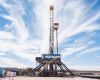
A recent report criticizes Argentina's investment incentive regime, RIGI, for its heavy focus on extractive industries rather than promoting new sectors. Created in 2024, the regime offers 30 years of tax, customs, and foreign exchange benefits to companies investing over $200 million in strategic sectors. Out of 198,979 million dollars in approved projects, 46,708 million go to 12 mining ventures, 5 oil and gas companies, and 4 energy, infrastructure, and steel businesses.
The remaining projects, totaling 23, are in hydrocarbons and mining. The report highlights a lack of participation from other sectors like tourism, forestry, and renewable energy, with fewer than half of the initiatives involving foreign capital. In February, a decree expanded the regime to include hydrocarbon projects, hydrocarbon exploration and production, and extended the application deadline until July 2027.
This shift benefited the Vaca Muerta formation, which already had strong investment and production levels. Environmental regulations have reportedly weakened, allowing mining near ice fields due to changes in the Glaciers Law. The Centre for Argentine Political Economy estimates the fiscal cost of approved projects to be around $1.069 billion annually between 2029 and 2033.
The government has introduced a new scheme, the "super RIGI," targeting industries like data centers and artificial intelligence with a $1 billion threshold, offering a 15% income tax rate and eliminating export duties. However, the Observatory argues that this new scheme would not address the current regime's imbalances.
Written by urgent.news from MercoPress's reporting — not their text. Machine-written — may contain errors; check the original before relying on it.
This story
This is one outlet's version. Read the fullest account.