A critical report says Argentina's investment regime concentrated capital in mining and oil
Argentina's Large Investment Incentive Regime (RIGI), created in 2024, "consolidated a strongly extractive profile and did not stimulate new sectors," according to a report released on Wednesday by the RIGI Observatory, a coalition of civil society organisations and academic centres that examines the scheme from a critical standpoint.
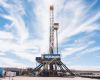
A critical report released on Wednesday by the RIGI Observatory, a coalition of organizations, found that Argentina's Large Investment Incentive Regime (RIGI), established in 2024, heavily concentrated capital in the mining and oil sectors without stimulating new industries. The regime grants 30 years of tax, customs, and foreign exchange benefits to companies investing over $200 million in strategically important sectors.
Out of 198,979 million dollars in applications, 46,708 million were approved, with 12 projects in mining, 5 in oil and gas, and 4 in energy, infrastructure, and steel. However, hydrocarbons, copper, gas, and lithium dominated investment, while tourism, forestry, and renewable energy sectors received minimal attention. The report also noted that less than half of the initiatives attracted foreign capital.
In February, a decree expanded the scheme to include hydrocarbon projects, increasing filings mostly linked to the Vaca Muerta formation, which had already received significant investment and promotion. The Centre for Argentine Political Economy estimated the fiscal cost of the scheme to be about $1.069 billion annually from 2029 to 2033.
The government claimed the first twelve projects would disburse $1.920 billion in their first two years. Meanwhile, the executive is proposing a new "super RIGI" scheme for sectors without existing development, such as data centers and artificial intelligence, offering a 15% income tax rate and eliminating export duties. The Observatory argued that this new scheme would not address the inequalities of the current RIGI.
Written by urgent.news from MercoPress's reporting — not their text. Machine-written — may contain errors; check the original before relying on it.