A Cat’s Strange Grimace May Help Solve a Century-Old Kidney Mystery
Learn how mysterious fat droplets in cat kidneys may help create the chemical calling card hidden in their urine.
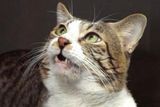
A cat’s peculiar grimace, known as the flehmen response, may hold the key to a century-old mystery surrounding the abundance of lipid droplets in feline kidneys, according to a study published in Current Biology. Scientists discovered that specific fatty acids in cat urine remain relatively consistent within an individual cat, while differing among individuals, potentially serving as a unique chemical signature.
Researchers confirmed that cats can distinguish urine from different individuals and display the flehmen response more often when encountering unfamiliar scents. This behavioral clue led them to identify 13 branched-chain fatty acids (BFAs) in the lipids of cat urine. When the researchers manipulated only the BFA-containing portion, cats noticed and responded by increased sniffing of the new urine sample.
Interestingly, the lipid droplets found in cat kidneys have puzzled scientists for over a century, as their biological purpose remains unclear. The study suggests that these droplets may function as a reservoir, storing the BFA-containing lipids and gradually releasing them into the urine. By acting as a stable chemical signature, the kidney may help maintain a consistent scent profile, even when diet, health, or other factors change.
The discovery of this BFA-related compound distribution across various felids, including lions, tigers, and domestic cats, indicates that this chemical system may be widespread within the cat family, although it likely evolved differently as felids diverged. Future research could investigate how these lipids reach the urine and whether BFA profiles remain reliable throughout an individual cat's lifetime.
This knowledge could potentially lead to improved approaches for controlling domestic cat urine odor and deepen our understanding of kidney lipid storage in health and disease.
Moreover, the ability of urine collected in the wild to identify individual cats could provide a new conservation tool for monitoring elusive and endangered species without direct observation or capture.
Written by urgent.news from Discover Magazine's reporting — not their text. Machine-written — may contain errors; check the original before relying on it.