A brush with… Dawoud Bey
Dawoud Bey talks to Ben Luke about his influences—from writers to musicians, and, of course, other artists—and the cultural experiences that have shaped his life and work
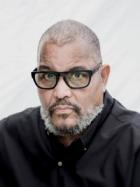
In a recent podcast interview, artist Dawoud Bey shares insights into his work and influences. Born in 1953 in New York, Bey is a photographer and film installation artist who focuses on the experiences of Black people in the US, from slavery to contemporary life. He began his career as a photographer in the 1970s, aiming to work as an artist rather than a photojournalist.
While known for his portraits and street photography, Bey's recent focus has been on landscapes, capturing the environments and the feelings of those who have lived through them.
Bey's work is deeply rooted in the "radical Black imaginary," which he considers the foundation of his art. His background in jazz has significantly influenced his art-making process, leading to the concept of "subjective opticality." This idea explores the perspective of the photographer and the camera. Bey has cited Roy DeCarava and John Coltrane as early influences, along with Rembrandt, and has maintained friendships with artists like David Hammons and Torkwase Dyson. He has also drawn inspiration from Toni Morrison in recent photographic series.
Bey reflects on the importance of photographs as objects and the ongoing influence of film-maker Michael Roemer. He discusses his studio practice and shares his usual questions with the host, including the ultimate question: what is art for? Dawoud Bey's work is currently on display at the Art Gallery of Ontario in Toronto until 4 July 2027, part of the co-presented exhibition Material Histories, Living Landscapes with the Toronto Biennial of Art 2026.
Written by urgent.news from The Art Newspaper's reporting — not their text. Machine-written — may contain errors; check the original before relying on it.