Zhu Rongjis gemischtes Erbe: Der verstorbene frühere Ministerpräsident trägt die Schuld an einigen der grössten Probleme Chinas
Die Verdienste des ebenso charismatischen wie reformfreudigen Politikers sind unbestritten. Doch Zhu Rongji legte auch die Saat für die Immobilienblase, und die Menschen auf dem Land wurden durch seine Politik ärmer.
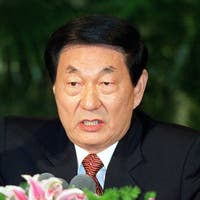
Zhu Rongji, the former Chinese Premier, is remembered for both his charismatic leadership and his support for reforms. However, his policies contributed to several of China's major problems. In a village just east of Beijing, residents have been forced to evacuate their homes due to redevelopment by real estate developers. The village consists of a handful of small houses, with no road connecting them.
Rain had recently ceased as a black Mercedes limousine approached two elderly men standing near their tiny home. The men identified themselves as local government officials, telling the residents they had to vacate their homes or face eviction within days. This confrontation was witnessed by the China correspondent in 2010, but similar disputes occurred across the country.
Local governments expropriated land from farmers, often violently, and sold it to developers for apartment buildings. With the money, local governments filled their coffers. The funds were scarce at the time, as tax reforms introduced by Zhu Rongji in 1994 caused a decline in central government revenue. Zhu, who became vice-premier in 1993, first focused on the public finances, as they were not in good shape.
Between 1979 and 1993, Beijing's fiscal revenue, relative to GDP, fell from 28.2% to 12.3%. Zhu Rongji ensured local governments received a larger share of income from corporate, income, and VAT taxes. "Zhu wanted to strengthen Beijing's power," write analysts from the Rhodium Group, and he succeeded. In 1994, the central government's revenue doubled compared to the previous year.
However, local governments needed new sources of income. Zhu Rongji's policies are undeniable. The charismatic politician, known for deviating from his script and laughing openly on stage, paved the way for China's entry into the World Trade Organization (WTO) in 2001. Appointed Premier in 1998, he held the position until 2003. The WTO's accession integrated China into the world economy, leading to explosive economic growth over many years, with the country's GDP growing by more than 10% annually.
On the rural side, Zhu Rongji's tax reforms continued to impact many years later. Local governments needed funds to develop infrastructure and distribute subsidies to foreign companies investing in China. Consequently, they evicted more rural residents from their land. By 2020, local government revenues from land sales accounted for over half of all income.
While Beijing has since enacted laws requiring compensation for land expropriation, it was not always followed, according to a 2016 study by Tsinghua University. Only 3.9% of displaced farmers received alternative employment as promised. In some regions, tragic scenes unfolded, such as a four-year-old girl being run over by a bulldozer when her parents resisted eviction from their home.
Between 2004 and 2014, land expropriations occurred in 43% of all villages, affecting nearly 40 million Chinese. Of these, 60% found themselves facing "a very difficult living situation." Indirectly, Zhu Rongji's 1994 tax reforms and the subsequent surge in land sales sparked a housing and real estate bubble. Developers built high-rise apartments on many of the former agricultural lands, and people could afford these homes for the first time.
Between 2000 and 2010, average disposable income tripled, marking the beginning of a massive housing speculation bubble. In major cities, property prices soared to forty times the average annual income. Now, under Chinese President Xi Jinping, the bubble burst in 2021 due to stricter capital requirements, leaving many Chinese with wealth losses and causing them to reduce consumption, posing a significant economic problem.
Written by urgent.news from NZZ Wirtschaft's reporting — not their text. Machine-written — may contain errors; check the original before relying on it.