Why states fought to present a united case against Meta over youth social media harms
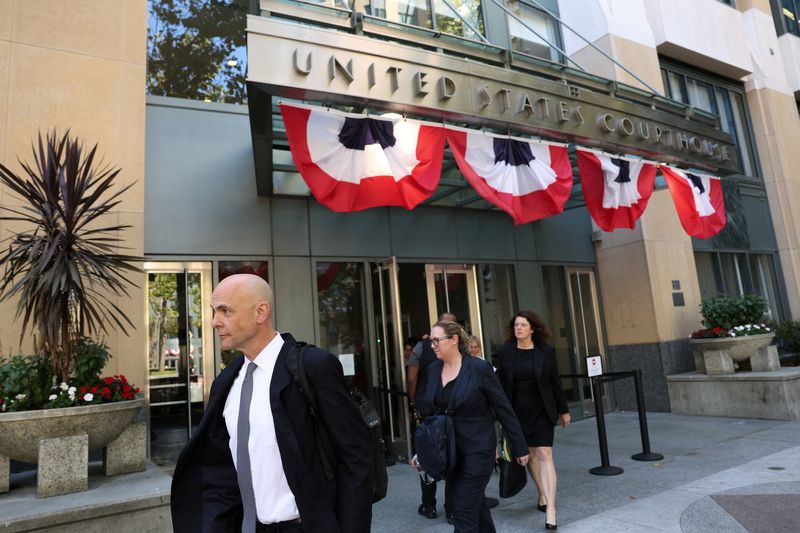
As opening statements commence in a significant trial questioning Meta Platforms' assertions about the safety of Instagram and Facebook for young users and alleged violations of child privacy laws, the central dispute has already been settled: whether a coalition of U.S. states could proceed with unified claims. The states advocated for a single trial encompassing both state consumer protection and federal privacy allegations filed by 29 attorneys general, whereas Meta sought multiple smaller trials with states sharing similar laws.
This dispute extended beyond procedural concerns. The states contended that the case concerns corporate decisions impacting all young users nationwide, aiming for nationwide platform changes, and that jurors should be exposed to a single narrative about Meta's actions. Meta contended that jurors should assess the states' claims independently due to differing laws and warned that a joint trial could obscure crucial distinctions among the allegations.
U.S. District Judge Yvonne Gonzalez Rogers ultimately adopted a hybrid approach for the multi-week trial, permitting Colorado, California, Kentucky, and New Jersey to try their state law claims jointly, while also incorporating the federal law claims presented by all states. While Rogers will render the judgment, she appointed an advisory jury whose conclusions could guide her final decision.
The trial's outcome could guide how the remaining states' claims are resolved, potentially reshape Facebook and Instagram's operations, and compel Meta to pay billions in penalties. Meta termed the accusations unsubstantiated and affirmed its commitment to safeguarding teen users of its platforms. Legal experts argued that in a case against a company as financially robust as Meta, a multistate coalition enables the states to pool resources and expertise, potentially enhancing their credibility with the jury and judge.
They noted that attorneys general have employed this strategy in lawsuits against the tobacco and opioid industries to bolster their bargaining power and present evidence of conduct allegedly affecting consumers nationwide.
The trial, initiated in 2023, originates from a cooperative investigation into Instagram and Facebook's impact on young users. Generally, the states allege that Meta intentionally designed features in Instagram and Facebook to captivate young users while reassuring the public about the platforms' safety—a conduct they claim violates state consumer protection laws.
A substantial number of the states also sue under federal law, the Children's Online Privacy Protection Act, contending Meta failed to obtain parental consent before gathering personal information from minors. In seeking smaller trials, Meta argued that a consolidated trial would require jurors to comprehend the varying legal standards for each state claim, complicating a fair evaluation of each.
The companies also stated they planned to defend the claims using state-specific evidence, a strategy they argued would be more challenging in a larger consolidated trial. The attorneys general offer no evidence of any misinformation in their states; instead, they argue they are pursuing a massive payout. Kentucky Attorney General Russell Coleman described the case as the largest consumer protection lawsuit in American history, stating that the attorneys general are in the ideal position to achieve this.
Coleman remarked that they accomplished it with the Tobacco Settlement in the 1990s and with companies responsible for the opioid crisis; they will do it again with Meta.
Written by urgent.news from Yahoo Finance's reporting — not their text. Machine-written — may contain errors; check the original before relying on it.
This story
This is one outlet's version. Read the fullest account.