When AI art has no author: Study finds generated images often can’t be traced to training data
A new method for surgically removing training examples from a model reveals that as datasets grow, the link between what a model learns and what it produces dissolves.
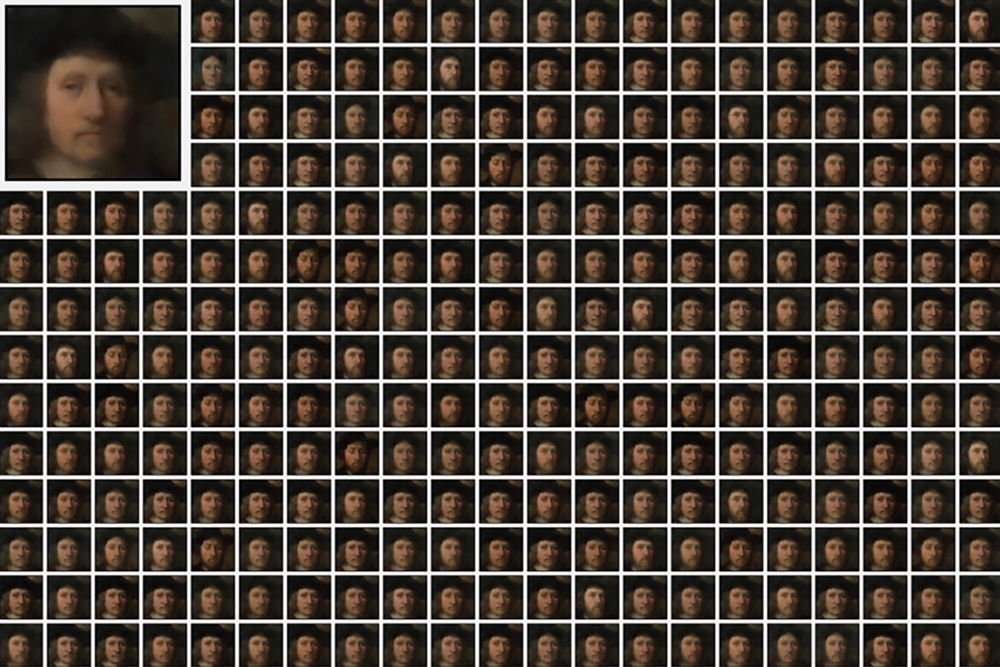
A new study from MIT's Computer Science and Artificial Intelligence Laboratory (CSAIL) has found that artificial intelligence (AI) image generators often cannot trace generated images to their training data. This phenomenon, dubbed "attribution decay," occurs as AI models are trained on larger datasets. As the amount of data increases, individual training examples become less influential on the generated output.
Lead author Zheng Dai explains that if removing a piece of data does not change the AI's output, then that data cannot be considered responsible for the result. This phenomenon challenges the process of assigning credit to artists, assigning liability to companies, and establishing regulations surrounding AI-generated content. The study introduces a new method called "diffusion ensemble" which allows for precise removal of individual training examples, providing a counterfactual model that can be used to demonstrate the absence of influence.
The researchers trained multiple ensembles on various datasets ranging from 256 to over 160,000 images and found that as the training set grows larger, the "counterfactual radius" - the extent to which any single piece of training data could impact the output - shrinks. The phenomenon impacts legal questions about derivative works, copyrightability, and attribution, as well as raising concerns about the privacy implications of AI-generated content.
Written by urgent.news from MIT News AI's reporting — not their text. Machine-written — may contain errors; check the original before relying on it.