US green card approvals drop 35%, Indians hit hardest
Recent data indicates a considerable drop in US green card approvals for extraordinary workers, with Indian technology professionals facing the brunt of these new regulations. The USCIS has raised the bar for evidence needed in applications, prompting many Indian nationals to seek immigration options in other countries. Experts caution that these challenges will likely persist, complicating the…
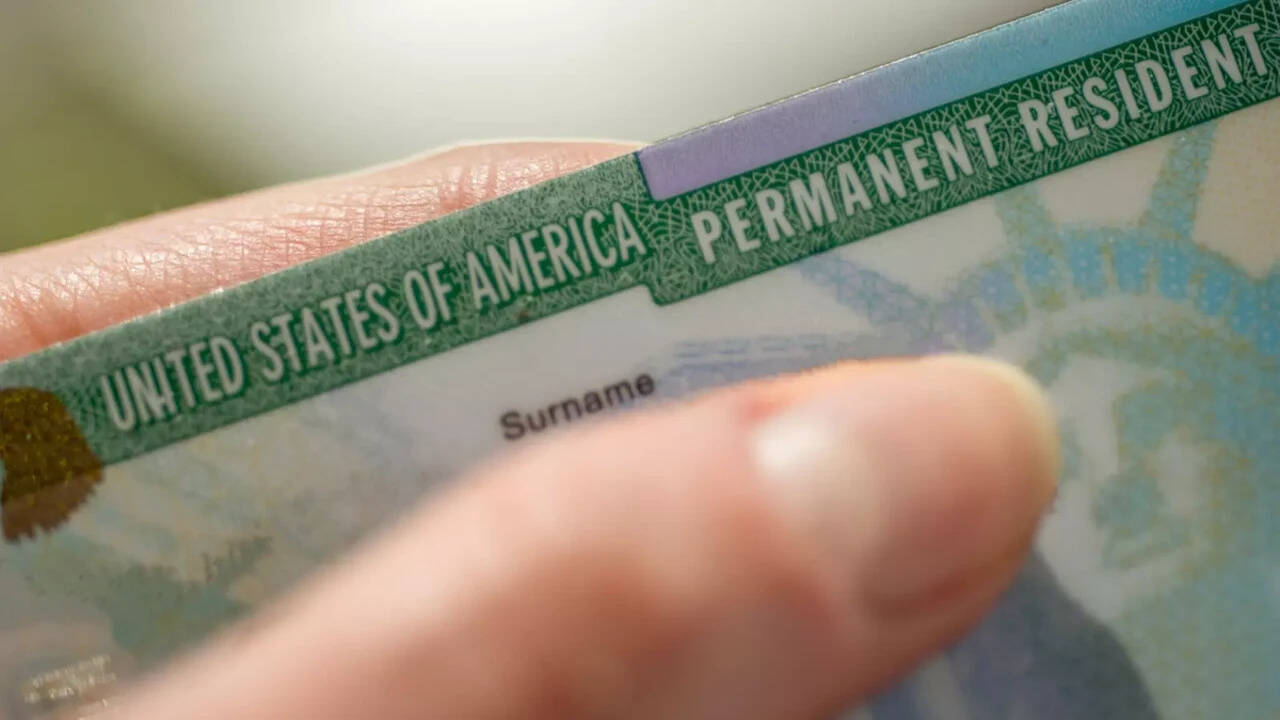
US green card approvals plummeted by 35% in the first half of FY26, with Indians facing the most significant decline, according to data from Boundless Immigration and Economic Times. The approval rate for EB-1A green cards, specifically designed for extraordinary-skilled workers, fell drastically from 49.1% in FY25 to just 35% in FY26. This decline was particularly sharp among Indian technology workers, followed by Chinese applicants, who submit the highest volume of EB-1A petitions.
Immigration experts attribute this shift to stricter US immigration policies implemented under the Trump administration. Joel Yanovich, a Senior Attorney at Ganey Law Group, noted that adjudicators are now requiring an "unreasonably high bar," even though there has been no change in the law itself. He pointed out that the surge in denials is not due to a deterioration in the quality of applicants but rather due to stricter evaluation criteria.
Boundless CEO Xiao Wang explained that simply meeting three of the ten USCIS criteria is no longer enough. Instead, strong evidence in categories such as leading roles in distinguished organizations and commanding high salaries is now considered a baseline requirement, with one additional high-quality criterion needed for approval.
As a result of these challenges, Indian nationals are exploring alternative pathways to secure permanent residence in the US. EB-2 and EB-3 backlogs extend up to 15 years, pushing applicants towards alternative routes like the EB-1C pathway for those who work abroad as managers or executives. The EB-5 investment-based route, which involves making a significant investment in a new commercial enterprise, has seen a surge in Indian applicants.
Some are also considering relocation to Canada or the UK, where talent visas are more readily available.
Immigration attorney Rajiv Khanna emphasized the increased difficulty of adjudications, even as courts question the methodology used. Experts warn that unless there are policy shifts, extraordinary-skilled workers, especially those from India, will continue to encounter significant hurdles in their quest for permanent residence in the United States.
Written by urgent.news from Times of India's reporting — not their text. Machine-written — may contain errors; check the original before relying on it.