UAE-developed AI platform aims to speed up diagnosis of rare diseases
Researchers at Khalifa University in Abu Dhabi have developed iGenRARE, an agentic AI platform intended to support doctors in diagnosing more than 7,000 rare diseases. The technology analyses information collected from a patient’s hospital visits and compares it with evidence from medical literature and specialist rare-disease databases. It then provides doctors with a ranked list of potential…
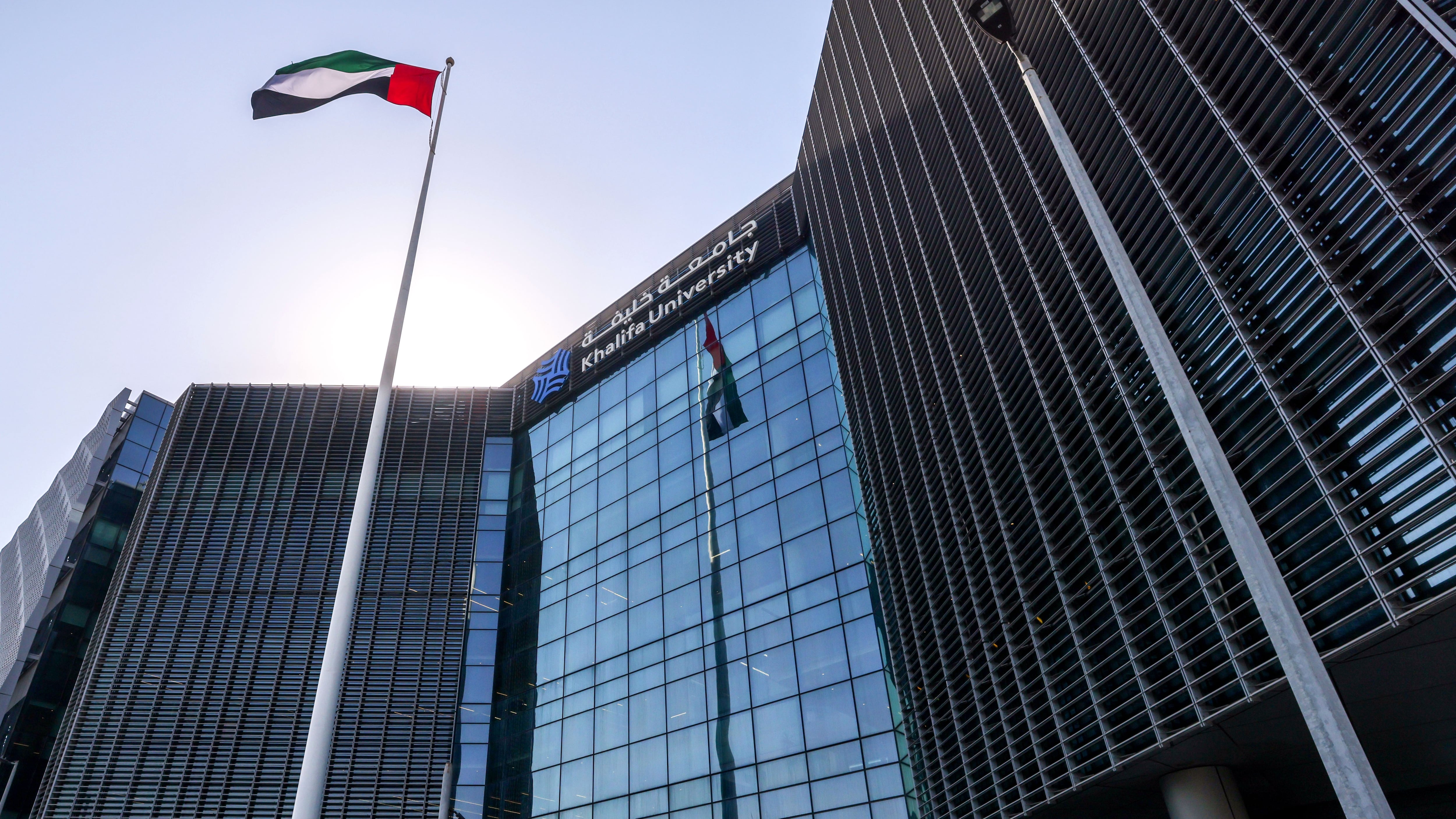
Researchers at Khalifa University in Abu Dhabi have developed an AI platform called iGenRARE, designed to assist doctors in diagnosing over 7,000 rare diseases. The technology examines patient information gathered during hospital visits and compares it with evidence from medical literature and rare-disease databases. It then generates a ranked list of potential diagnoses, explains the supporting evidence and recommends further tests to confirm or rule out conditions.
Dr Aamna Al Shehhi, the project leader, explains that the system aims to address the major challenge of rare diseases: delayed diagnosis. Dr Al Shehhi highlights the importance of early diagnosis, as for progressive diseases, delayed diagnosis can lead to worsening conditions, irreversible complications and missed opportunities for early treatment.
The agentic AI system utilizes multiple specialized agents that work together to tackle complex tasks. These agents analyze symptoms, clinical notes, genetic variants, laboratory results, medical images and scientific evidence, with a central reasoning system connecting the findings. Unlike traditional AI, iGenRARE goes beyond genetic information and incorporates various hospital visits, treatment progress, disease progression, imaging and more.
The platform ranks potential diagnoses based on probability, rather than providing a single definitive diagnosis. It can also suggest additional investigations to differentiate between diseases with similar symptoms. During a retrospective evaluation using US medical data of 20,238 patients, including 5,067 with rare diseases, iGenRARE achieved 68 percent accuracy after analyzing the first hospital visit, 88 percent after the first two visits, and 91 percent after considering the entire hospital history.
However, these results do not represent performance in everyday hospital care and further evaluation is required. The researchers plan to conduct a silent clinical trial, allowing iGenRARE to run in the background on real clinical cases without influencing patient care. This evaluation will compare the AI system's recommendations with clinicians' decisions, assessing its accuracy and safety before considering active clinical use.
The platform will be installed within the healthcare provider's secure infrastructure, ensuring sensitive patient information remains protected. A separate public version may eventually be developed using only publicly available information. Additionally, iGenRARE can complement projects like the Emirati Genome Programme by interpreting genetic variants alongside symptoms, disease progression, tests and imaging.
The next phase of iGenRARE will explore drug repurposing, identifying existing medicines that could potentially treat rare diseases, and eventually support personalized treatment plans reflecting each patient's unique circumstances.
Written by urgent.news from The National UAE's reporting — not their text. Machine-written — may contain errors; check the original before relying on it.
This story
This is one outlet's version. Read the fullest account.
- UAE-developed AI platform aims to speed up diagnosis of rare diseases thenationalnews.com