ChatGPT is getting a teen version, and I have a lot of questions
Teens are already using AI for homework and much more. OpenAI’s new ChatGPT experience wants to make sure they’re actually learning from it — with some serious guardrails attached.
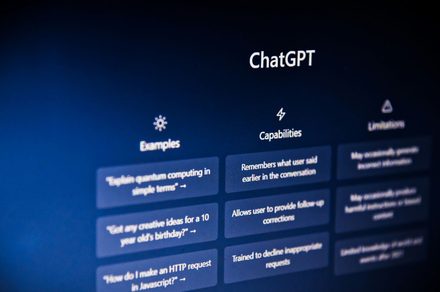
OpenAI has unveiled ChatGPT for Teens, a specialized version of its popular AI chatbot tailored for users aged 13 to 17. The new experience emphasizes learning, healthier usage habits, and robust safety measures. Unlike traditional ChatGPT, this version is designed to guide teenagers through homework problems, explain concepts, and verify understanding.
Key features include Study Mode, quizzes, learning visualizations, homework reminders, and dedicated study hours, aiming to transform ChatGPT into an always-available study companion.
In addition to these features, OpenAI has launched a partnership with CodeAI to promote AI literacy among students and teachers. The initiative seeks to help users understand how AI functions, question its outputs, communicate effectively with it, and eventually utilize AI for practical applications. This approach reflects the growing role of AI in education, equipping young people with the skills to discern when to trust, challenge, or refrain from using AI.
Safety is a paramount concern for OpenAI, particularly given the younger demographic using the platform. The company is implementing stricter safeguards for accounts under 18, focusing on sensitive topics such as graphic violence, dangerous activities, unhealthy dieting, extreme beauty standards, and sexual or romantic roleplay.
Furthermore, OpenAI is setting boundaries to prevent emotional dependence, ensuring the chatbot does not mimic human-like feelings or consciousness. Users will be warned before uploading potentially private or sensitive images, and an onboarding experience will introduce them to the learning and safety tools at their disposal.
To foster a more personal yet transparent interaction, teens can customize elements like accent color and voice, but the chatbot will continue to emphasize its artificial nature. Parents can monitor settings and configure Quiet Hours through linked accounts, receiving safety notifications in certain high-risk scenarios. While these measures offer a promising step towards responsible AI use among teenagers, concerns remain regarding the efficacy of these safeguards and their ability to instill a sense of security among parents.
As AI becomes increasingly integrated into the learning and daily lives of younger individuals, balancing technological accessibility with responsible usage will undoubtedly pose ongoing challenges.
Written by urgent.news from Digital Trends's reporting — not their text. Machine-written — may contain errors; check the original before relying on it.