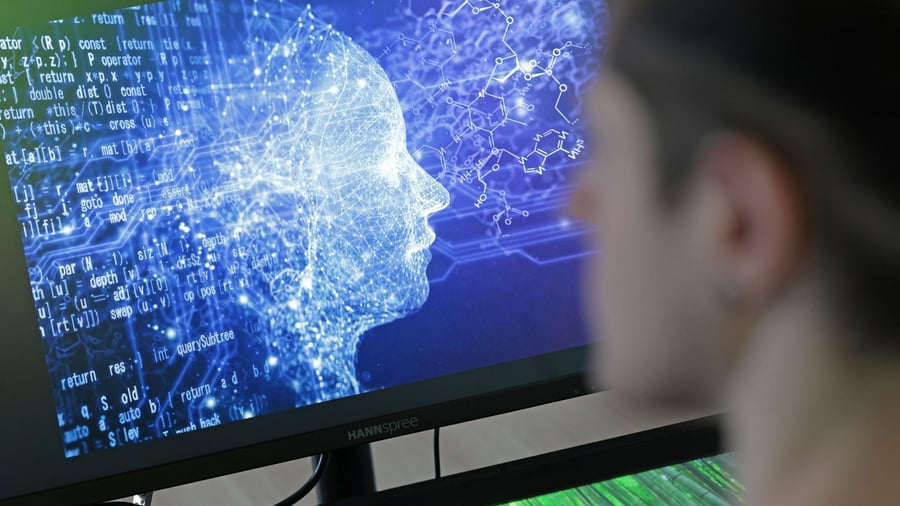
The next camera race will be about understanding
As AI moves from training to inference, sensors are increasingly judged by what machines can read.
At an art exhibition, the author built a side project that could identify objects when pointed at by a phone camera. After the exhibition, people kept using the camera to identify everyday items, demonstrating an expectation for cameras to understand the world. This growing expectation aligns with the shift of AI from a training problem to an inference problem, where most of the work happens on-device.
A model requires different elements from a frame compared to the human eye, focusing on edges, structure, color, and contrast. The sensor used in cameras needs to be designed for perception rather than just capturing pleasing images. Inference is a critical aspect of AI, occurring live and on limited power in devices, making the quality of the camera signal crucial.
Some sensors now perform processing on-chip, registering only changes in the scene and using global shutters to reduce motion artifacts. High dynamic range and long exposures, tailored for human viewers, are being optimized for models to read cleanly. While visual search is a basic application, the next step involves understanding what to do next based on the recognized object.
The sensor is the first link in a chain of interpretation, extending beyond simple capture. The camera industry has focused on image quality, but now must prioritize inference quality. The balance between human-centric and machine-centric approaches is shifting, with the ultimate goal being to transform the real world into the most comprehensible signal for AI to process.
Written by urgent.news from TechRadar's reporting — not their text. Machine-written — may contain errors; check the original before relying on it.