The haze is back – but is the air inside your home any better?
Closing the windows may reduce exposure to haze, but pollutants already inside the home deserve attention, too.
When haze descends, people instinctively stay indoors and seal windows to protect themselves from polluted air. However, this does not guarantee clean air inside the house, as fine particles from haze can still enter through gaps, ventilation systems, and with people moving in and out. Even in well-ventilated areas, these particles may settle on surfaces and later become airborne again.
General practitioner Dr Parveen Kaur warns that even low-level exposure can aggravate respiratory conditions like asthma and bronchitis, or trigger symptoms in otherwise healthy individuals.
The issue becomes more complex during extended periods of haze, when doors and windows may remain closed for extended periods, allowing both outdoor pollutants and indoor contaminants to accumulate. These may include cigarette smoke, cooking smoke, dust, and volatile organic compounds (VOCs) emitted by furniture, building materials, cleaning products, and household finishes.
Certain groups, including children, the elderly, pregnant women, and those with respiratory conditions, are particularly vulnerable to haze effects. Symptoms may include coughing, throat or eye irritation, wheezing, and difficulty breathing. If breathing difficulties persist or worsen, medical attention should be sought. The environment department identifies these sensitive groups and advises them to take extra precautions during haze episodes.
While sealing the home can reduce exposure to outdoor air, it also allows indoor-generated pollutants to build up. During haze, the pollutant of most concern is PM2.5, tiny particles that can be inhaled deep into the lungs and may linger indoors. To minimize exposure, it's important to monitor the Air Pollution Index (API) and keep windows and doors closed during high pollution levels.
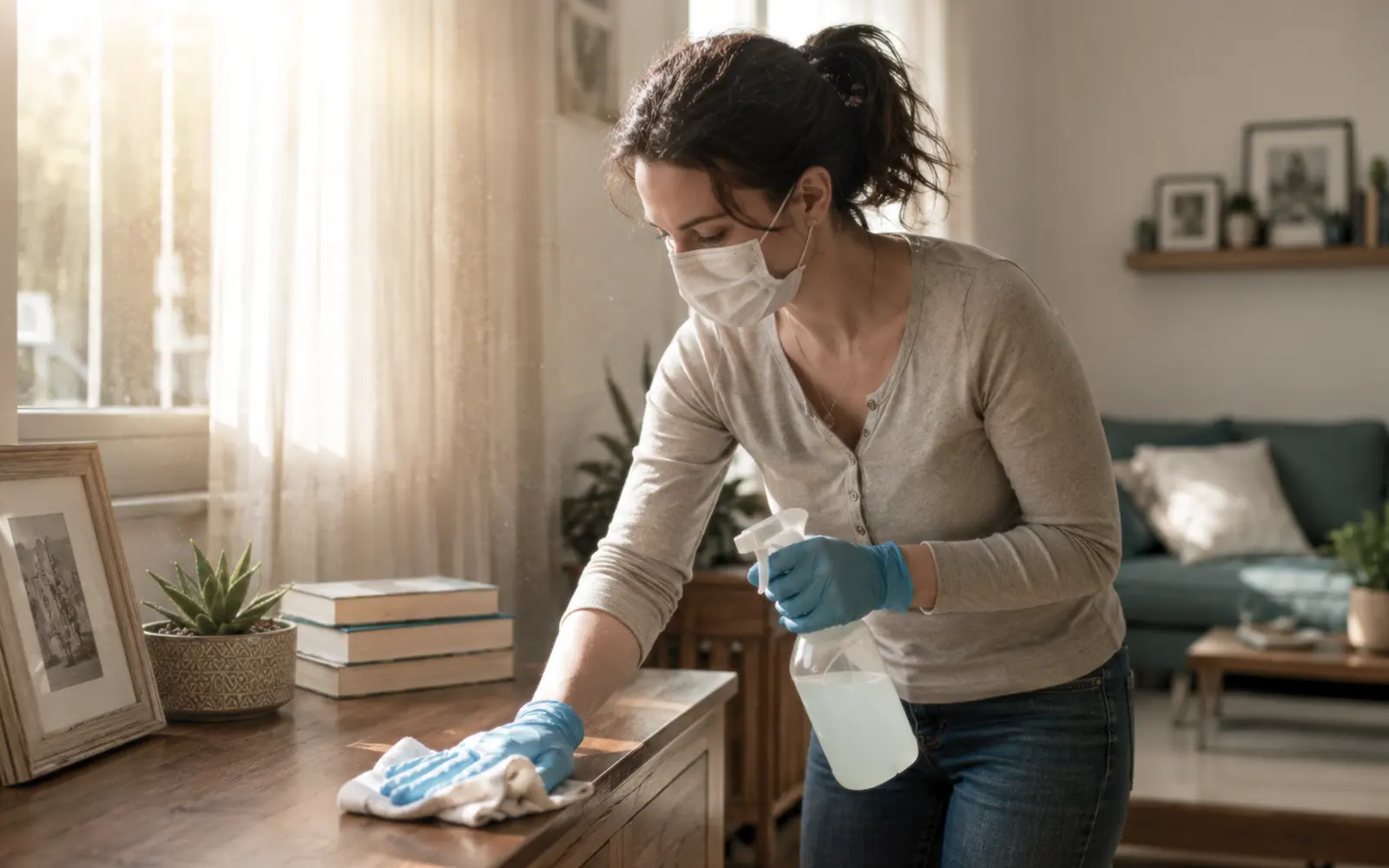
Regular cleaning of surfaces can help remove settled particles, and avoiding indoor combustion activities like smoking or burning incense can prevent additional pollutants from entering the air. When outdoor air quality improves, allowing fresh air into the home can aid in clearing accumulated indoor pollutants. In addition to managing haze, it may be beneficial to consider indoor air quality as part of regular home maintenance.
New furniture, building materials, and household products can release VOCs, so homeowners should be mindful of the materials they bring indoors. By adopting these practices, one can create a healthier indoor environment that supports recovery from both outdoor and indoor air pollution.
Written by urgent.news from Free Malaysia Today's reporting — not their text. Machine-written — may contain errors; check the original before relying on it.
This story
This is one outlet's version. Read the fullest account.
- The haze is back – but is the air inside your home any better? freemalaysiatoday.com