The haze is back – but is the air inside your home any better?
Closing the windows may reduce exposure to haze, but pollutants already inside the home deserve attention, too.
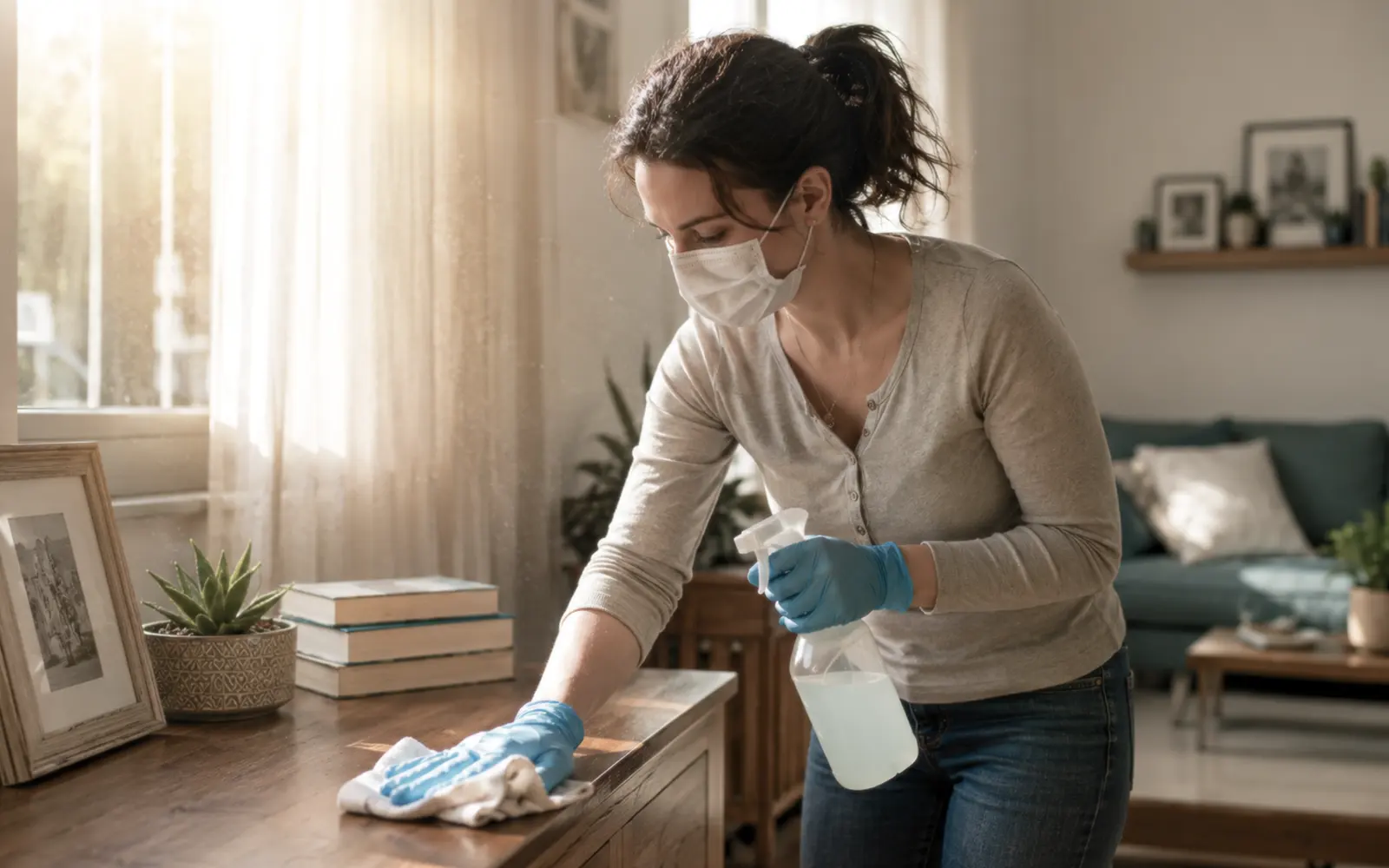
When haze descends, the instinct is to stay indoors and shut windows. However, fine haze particles can still infiltrate homes through gaps around doorways, ventilation systems, and people's movements. Dr. Parveen Kaur warns that prolonged exposure can worsen respiratory conditions like asthma and bronchitis. Fine particles may settle indoors, become airborne again, and affect anyone, but children, older people, and those with respiratory issues are particularly vulnerable.
Symptoms include coughing, throat or eye irritation, wheezing, and difficulty breathing. The pollutant of concern is PM2.5, which can be inhaled deep into the lungs. To reduce exposure, use the Air Pollutant Index to guide opening windows or outdoor time, keep windows and doors closed when pollution is high, regularly clean surfaces, avoid indoor combustion, and consider the materials and products brought indoors. With proper precautions, indoor air quality can be managed effectively throughout the haze season.
Written by urgent.news from Free Malaysia Today's reporting — not their text. Machine-written — may contain errors; check the original before relying on it.
Also reported by 1 other outlet
- The haze is back – but is the air inside your home any better? freemalaysiatoday.com