The CEO Moment: Pfizer’s Albert Bourla
Post-COVID, the pharmaceutical giant has sought out new avenues of success with cancer-treatment drugs.
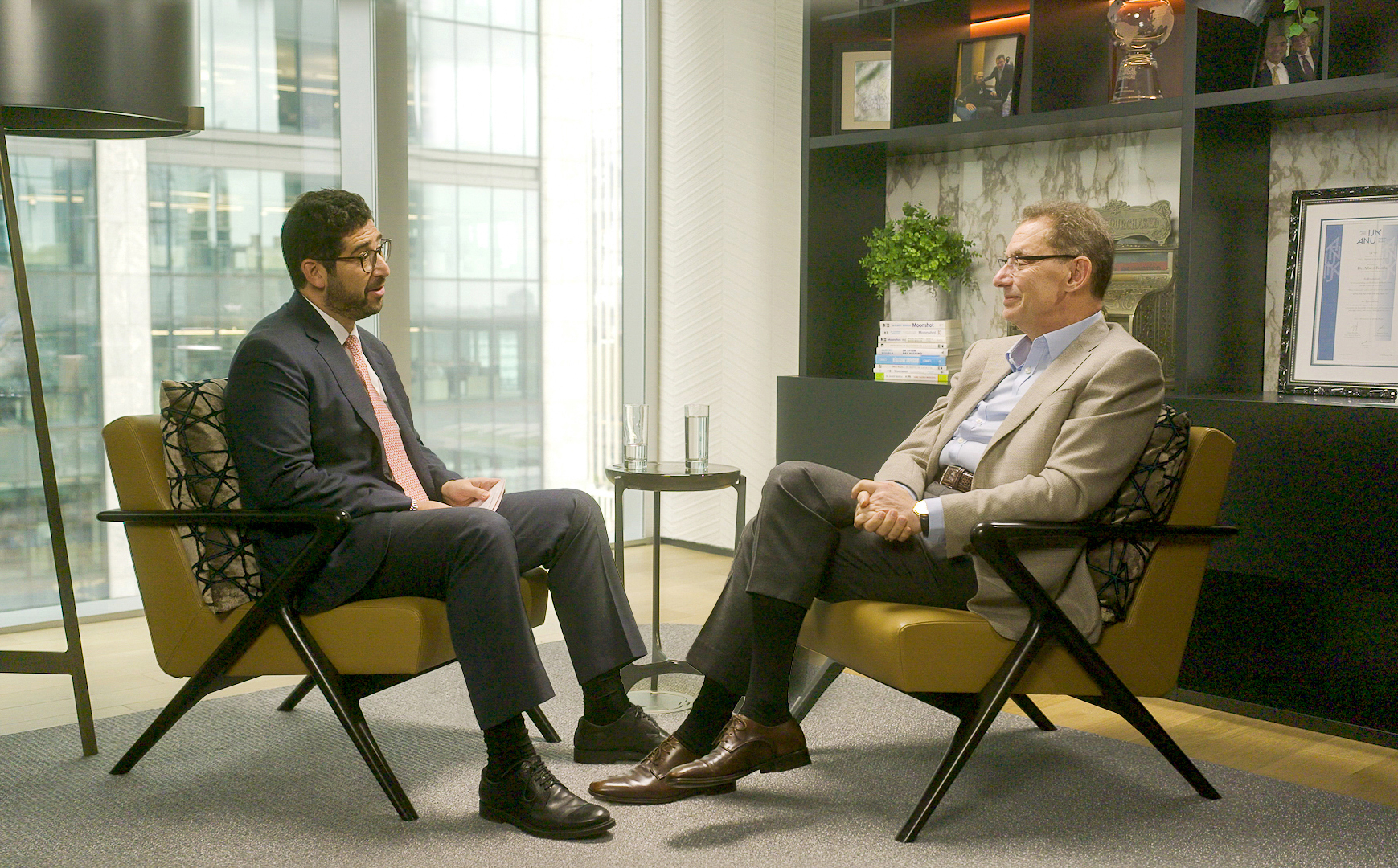
Albert Bourla, Pfizer's CEO, has ascended to global prominence during the COVID-19 pandemic, steering the company to unprecedented success while establishing himself as a leading voice within the scientific community. However, the subsequent years have presented more formidable challenges. As Pfizer seeks new avenues for growth, such as cancer treatments and weight-loss medications, Bourla reflected on his future at the helm of the pharmaceutical giant.
At the age of 65, Bourla pondered on his career trajectory, meditating on personal growth and strengths. Despite the setback of a decline in Pfizer's stock price following the pandemic, he emphasized the importance of resilience and rallying his team. Bourla reminded his employees of their previous success during the pandemic, when they had saved the world with their innovative solutions, and reassured them that they could achieve similar feats in the realm of cancer treatments.
In addressing the lag behind competitors in the obesity market, Bourla highlighted Pfizer's strategic pursuit of a novel obesity treatment with monthly injections, as opposed to the current weekly injections. He sought to forge alliances with colleagues to enhance their collective impact, expressing willingness to set aside disagreements on certain matters, such as vaccines, in order to forge a path toward shared accomplishments.
Bourla's relationship with Robert F. Kennedy Jr., the Secretary of Health, was characterized by a mutual understanding of differing viewpoints on vaccines. Despite their disagreements, Bourla aimed to collaborate on shared goals, fostering an environment where constructive dialogue would bolster trust and result in productive outcomes.
The Health Secretary had criticized the revolving door phenomenon between Washington and the pharmaceutical industry, a concern that Bourla acknowledged and addressed by appointing a top FDA official as the chief medical officer. This move underscored his commitment to strengthening the U.S. medical supply chain, expressing skepticism regarding an excessive reliance on Chinese suppliers for pharmaceuticals.
Lastly, Bourla stressed the significance of expediting the development and delivery of pharmaceuticals, emphasizing the maxim "Time is life." He firmly believed that a swift approach to bringing life-saving treatments to patients could make a world of difference in their lives, whether it meant enabling them to witness cherished family events or celebrate significant life milestones.
Written by urgent.news from Time's reporting — not their text. Machine-written — may contain errors; check the original before relying on it.