Research updates, August 18
Researchers found immune abnormalities in the intestines of people with Long COVID, according to a new preprint. The small study compared colon tissue samples and blood of 44 people with Long COVID to 13 controls who “recovered” from COVID-19, using several different analysis methods. The post Research updates, August 18 first appeared on The Sick Times .
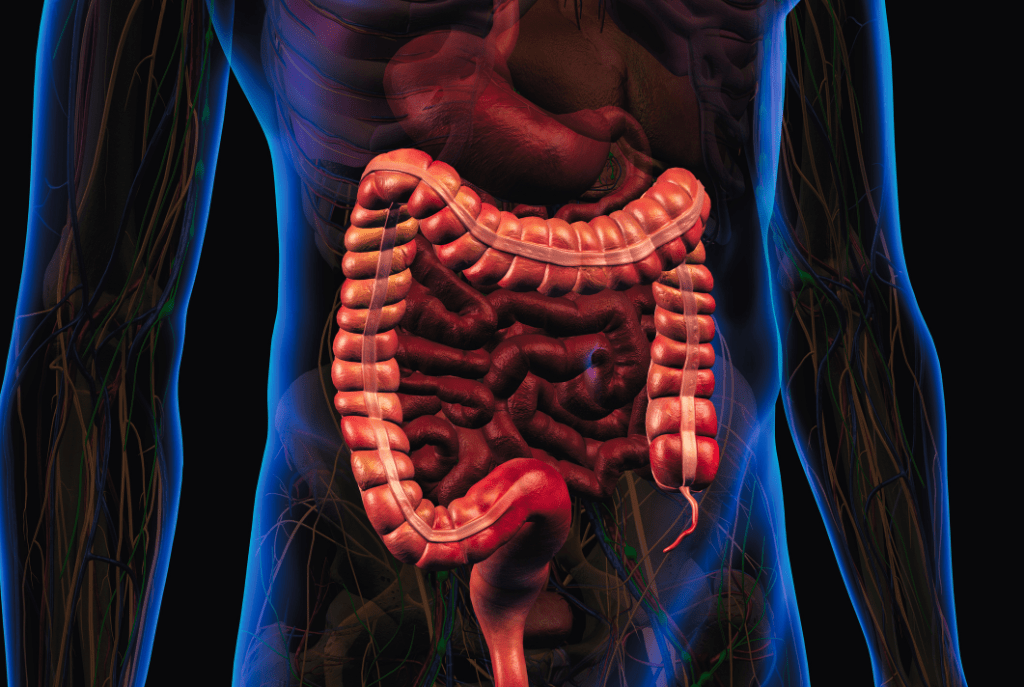
Researchers have discovered immune abnormalities in the intestines of individuals with Long COVID, according to a recent preprint study. This small investigation compared colon tissue samples and blood from 44 Long COVID patients to 13 individuals who recovered from COVID-19. They discovered that 27% of the Long COVID participants had ongoing SARS-CoV-2 virus in their tissues, which was more prevalent than in their blood samples.
While the study was observational and couldn't prove that viral persistence caused immune dysregulation, the researchers suggested that antivirals and combination treatments targeting viral reservoirs and tissue-based immune dysfunction should be explored as potential treatments for Long COVID.
A recent government report from the U.K. revealed that approximately one in four healthcare workers infected with SARS-CoV-2 during the early stages of the pandemic have developed Long COVID. Known as the REACH-OUT study, this mixed-methods research analyzed existing datasets and research worldwide, including a comprehensive survey of over 11,000 healthcare workers in the U.K. The study highlighted the severe lack of support for these workers and the significant stigma surrounding the disease from managers and colleagues.
Katherine Woolf, a medical education researcher, commented on the study, saying it demonstrates the ongoing impact the COVID pandemic continues to have on healthcare workers.
According to a preprint from Yale, universal healthcare in the U.S. could potentially save over 114,000 lives annually. The researchers utilized data from 2024 to compare the current multi-payer system with a single-payer system, examining both healthcare expenditure and mortality rates. Their models projected that universal healthcare would not only save thousands of lives but also reduce annual expenditure by over $1 trillion.
The researchers concluded that the existing budget is sufficient to cover everyone at a lower total cost, with the obstacle to universal coverage lying in the way resources are allocated, not in the absence of resources.
Written by urgent.news from The Sick Times's reporting — not their text. Machine-written — may contain errors; check the original before relying on it.