Predatory flatworm released in Samoa in 1990s linked to native snail extinctions
The introduction of the invasive flatworm, Platydemus manokwari, aimed at pest control, has resulted in a dramatic decline of native tree snail populations in the Pacific Islands. This aggressive predator actively hunts these snails, driving several species towards extinction. Following previous unsuccessful biological control attempts, federal data now labels these native snails as endangered or…
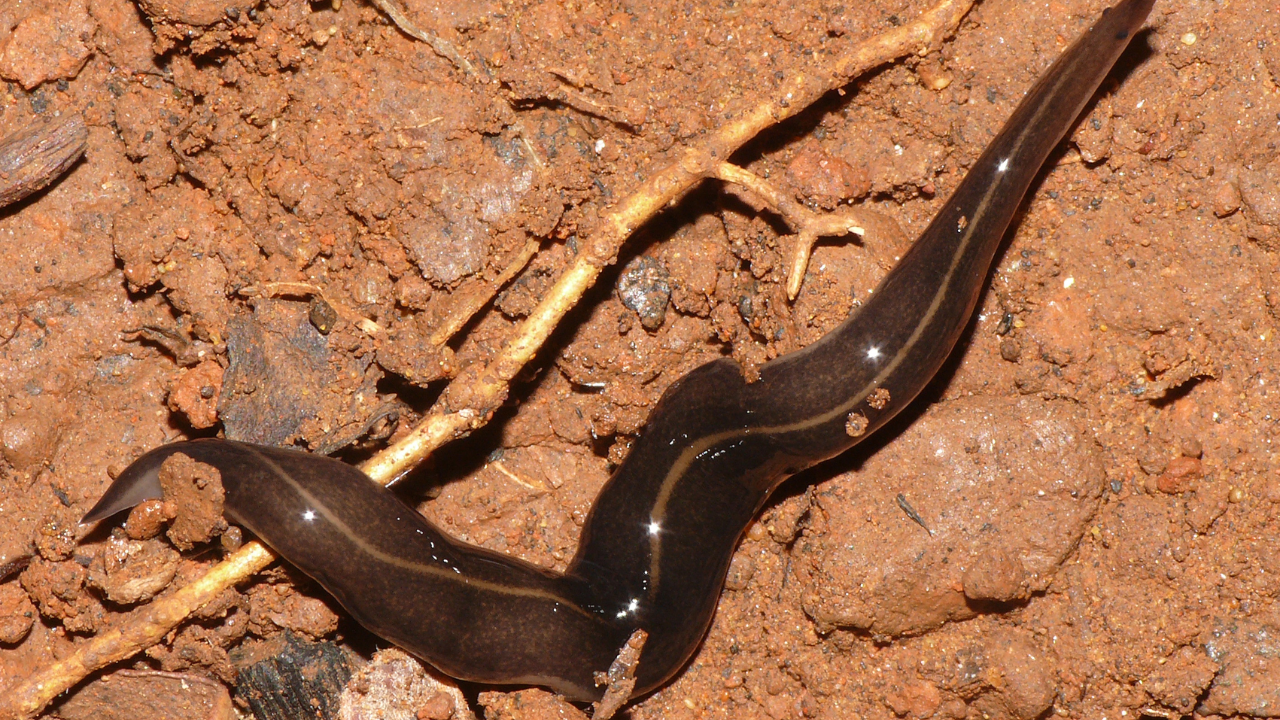
In the 1990s, a predatory flatworm known as Platydemus manokwari was introduced to Samoa and other Pacific islands with the intention of controlling the invasive giant African land snail (Achatina fulica). However, this generalist predator quickly began targeting native tree snails, leading to their rapid decline and eventual extinction.
The New Guinea flatworm is a classic example of failed biological control efforts, as it feeds on a wide variety of terrestrial mollusks, including species that had evolved without any natural predators. The ecological damage caused by this invasive species has been severe, pushing native snail populations to the brink of extinction.
As a result, several native snail species in American Samoa have been listed under the Endangered Species Act, and conservationists are working to protect the remaining populations through captive breeding programs and strict biosecurity measures.
Written by urgent.news from Times of India's reporting — not their text. Machine-written — may contain errors; check the original before relying on it.