Pray for Flores
As Flores reels from a devastating earthquake on the eve of Independence Day, the government’s swift aid cannot hide the urgent need to trade performative crisis management for real, life-saving disaster governance.
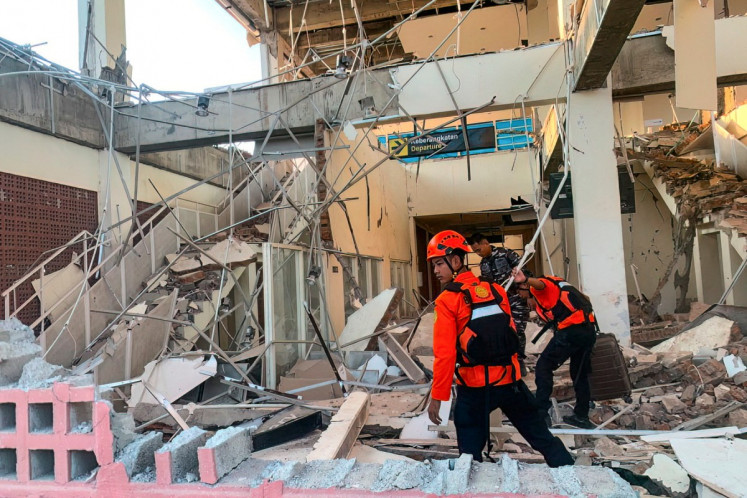
Eastern Indonesia's Flores island is in the grips of a devastating earthquake, marking a somber eve for the country's Independence Day celebrations. As mourning for victims and relief for survivors unfold, the urgency of effective disaster governance becomes glaringly apparent. The magnitude-7.7 quake struck on August 15, leaving 69 dead, with over 34,600 residents forced into temporary shelters and 331 injured.
The Indonesian government acted swiftly, deploying emergency relief funds and rallying various agencies—including the National Disaster Mitigation Agency (BNPB), National Search and Rescue Agency (Basarnas), military, police, and local volunteers—to coordinate rescue and recovery efforts. The central government earmarked Rp 5 trillion in response funds, and the BNPB aims to restore essential services like power, water, fuel, and mobile networks within a week.
President Prabowo Subianto dispatched a high-level delegation to Flores, underscoring the government's commitment. However, their visit came amid controversy as they skipped the Independence Day flag-raising ceremony at Merdeka Palace to be on the ground, a gesture that contrasts sharply with a similar sluggish response to recent floods in Sumatra.
This swift mobilization appears to have saved lives, yet it's juxtaposed with an awkwardly timed festive event at the palace, raising questions about the administration's genuine concern for those affected.
The swift response stands as a stark contrast to the slow handling of previous disasters, suggesting a potential improvement in crisis management. As the region grapples with the aftermath, the world extends empathy to the people of Flores, hoping for a brighter future ahead.
Written by urgent.news from The Jakarta Post's reporting — not their text. Machine-written — may contain errors; check the original before relying on it.