Physicists may have solved a 30-year mystery over missing neutrinos
Since the 1990s, researchers have wondered if unexpected results from gallium-based neutrino detectors are a sign of a new kind of particle, but a new study suggests that revising their calculations could explain the anomaly
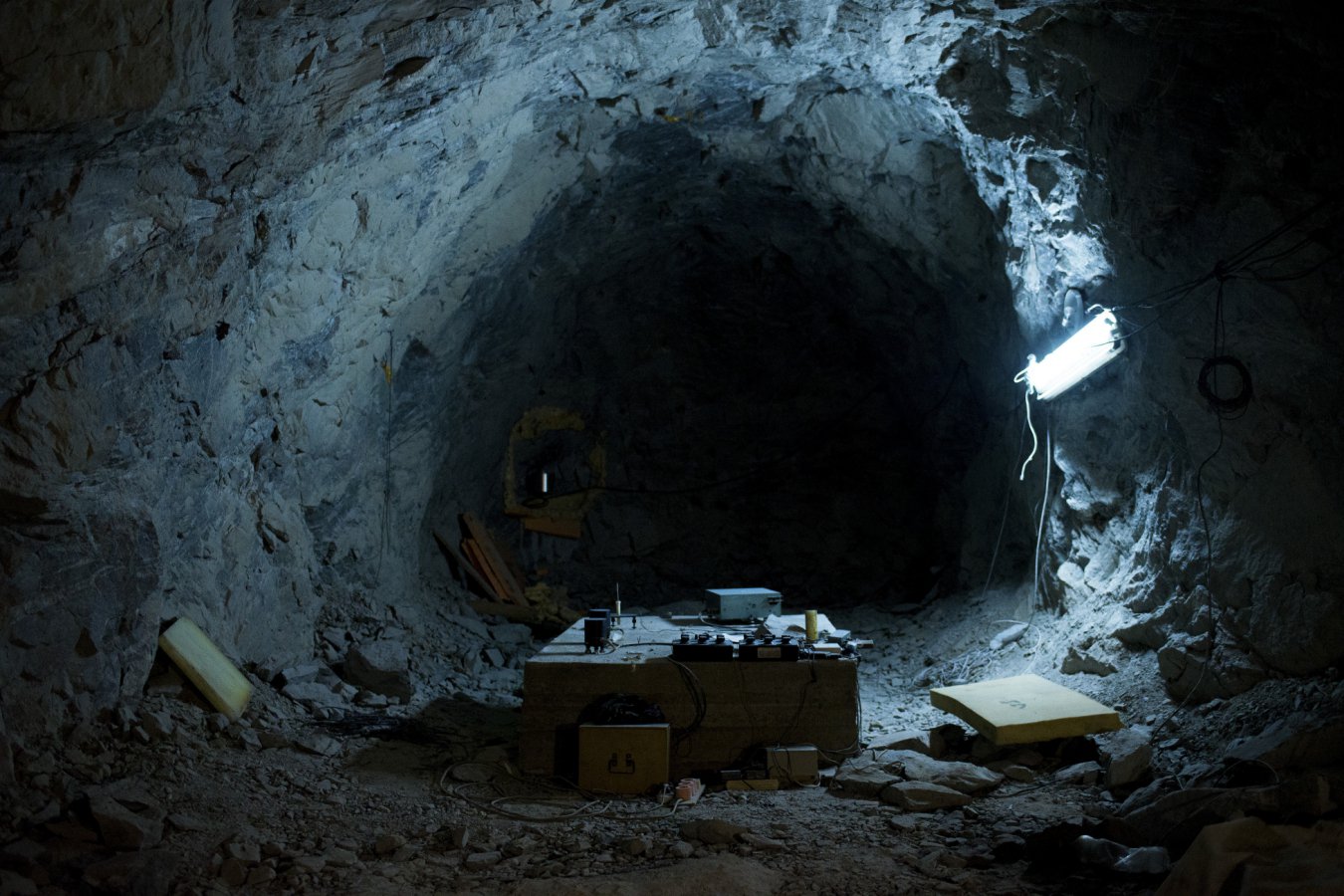
For over three decades, physicists have been puzzled by a missing neutrino anomaly in experiments. A new theoretical study proposes that there may be no mystery after all, as the issue could be a calculation oversight rather than a hint of a new particle. Neutrinos are elusive particles that oscillate between three types and can be difficult to detect.
Several experiments since the 1990s have found about 20 per cent fewer neutrinos than expected, suggesting the possibility of a new "sterile" neutrino that interacts less with matter. However, a team led by Matteo Cadeddu at the University of Cagliari in Italy now suggests that this anomaly may stem from a mathematical mistake in the experiments.
They found that assuming the quantum wave functions of the electron and neutrino do not change across the nucleus of the transmuting atom could account for the observed deficit. This would not require adding a new particle or interaction to the standard model of particle physics. While this analysis is promising, further research is needed to confirm the findings, including independent measurements of the nuclear structure of gallium and germanium.
Written by urgent.news from New Scientist's reporting — not their text. Machine-written — may contain errors; check the original before relying on it.