NST Leader: Reinventing road safety
ROAD accidents cause up to RM30 billion in socio-economic losses, Works Minister Datuk Seri Alexander Nanta Linggi disclosed on Monday.
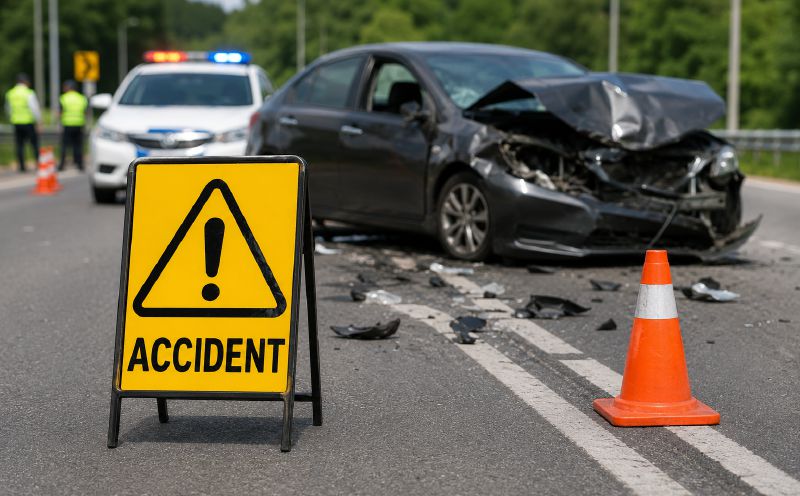
Road accidents in Malaysia cost the nation up to RM30 billion annually in socio-economic losses, according to Works Minister Datuk Seri Alexander Nanta Linggi. This figure should prompt Malaysians to view road safety not merely as an enforcement issue or individual responsibility, but as a significant economic concern. Beyond the immediate loss of life or damage to vehicles, accidents disrupt productivity, healthcare spending, insurance, emergency services, families, and businesses.
This RM30 billion economic loss represents money that could otherwise fund infrastructure, healthcare, education, or other productive activities. The most significant cost, however, cannot be quantified in currency. Every fatal crash signifies lost human potential, while serious injuries impose years of financial and emotional hardship on victims and their families.
In addition to direct costs, road accidents create indirect expenses through lost working days, traffic congestion, vehicle repairs, insurance claims, medical treatment, and the strain on emergency and public services. Thus, road safety should be approached as an economic productivity challenge rather than just an enforcement issue for the police or Road Transport Department.
Prevention should take precedence: identifying and addressing accident-prone areas, enhancing road design and maintenance, consistently enforcing dangerous-driving laws, improving driver education, and leveraging technology. The key takeaway from countries that employ preventive measures is to consider road safety as a broader transportation system design issue, rather than solely a driver behavior problem.
Sweden, with the lowest road-fatality rate in the world, designs roads to minimize the likelihood of accidents by separating conflicting traffic and controlling speeds. The United Kingdom uses data to target high-risk drivers, roads, and behaviors for intervention, while Australia engineers roads and vehicles to mitigate the impact of human mistakes.
Malaysia should explore breaking down the RM30 billion economic loss to pinpoint areas of greatest loss, allowing resources to be allocated towards the most effective accident prevention strategies. Ultimately, investing in accident prevention is a wise expenditure, as every reduction in accidents would yield substantial economic and social benefits.
Written by urgent.news from New Straits Times's reporting — not their text. Machine-written — may contain errors; check the original before relying on it.