New Zealand introduced hedgehogs for pests; now they threaten native wildlife
European hedgehogs were brought to New Zealand during the 1800s to help manage garden pests. However, these spiky creatures now pose a grave danger to the country's unique wildlife. They feast on the eggs and young of various native species, significantly impacting fragile ecosystems, particularly those involving ground-nesting birds. As a result, ongoing conservation initiatives are prioritizing…
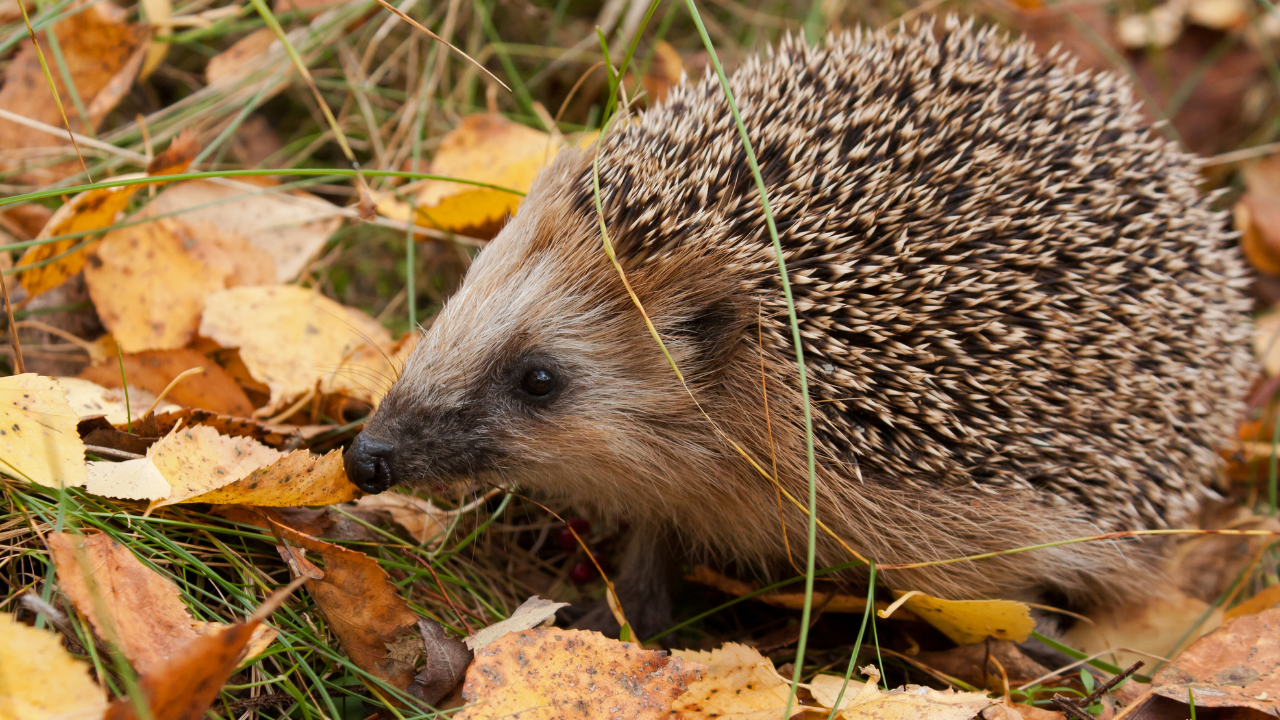
European hedgehogs, originally introduced to New Zealand in the 19th century to control garden pests, have become a significant threat to native wildlife. The Department of Conservation (DOC) now considers hedgehogs one of the major threats to New Zealand's unique ecosystems, particularly due to their predatory habits. Hedgehogs prey on eggs, chicks, lizards, and native invertebrates, including ground-nesting birds such as banded dotterels, black-fronted terns, and pied oystercatchers, as well as native invertebrates like wētā, beetles, and snails.
One hedgehog can disrupt an entire colony of endangered birds, causing them to abandon their nests and leave eggs or chicks vulnerable. Hedgehogs are now controlled in various parts of New Zealand using predator-control programs, with the goal of removing them from the environment to protect native wildlife.
Written by urgent.news from Times of India's reporting — not their text. Machine-written — may contain errors; check the original before relying on it.