NASA’s LRO Images Falcon 9 Crater on Moon, Learns New Details
Between Aug. 11 and 12, NASA’s Lunar Reconnaissance Orbiter (LRO) captured a series of images of a new crater on the Moon. The crater formed on Aug. 5, when a SpaceX Falcon 9 upper stage impacted the surface following its January 2025 launch of the Firefly Blue Ghost 1 mission. To capture imagery of the […]
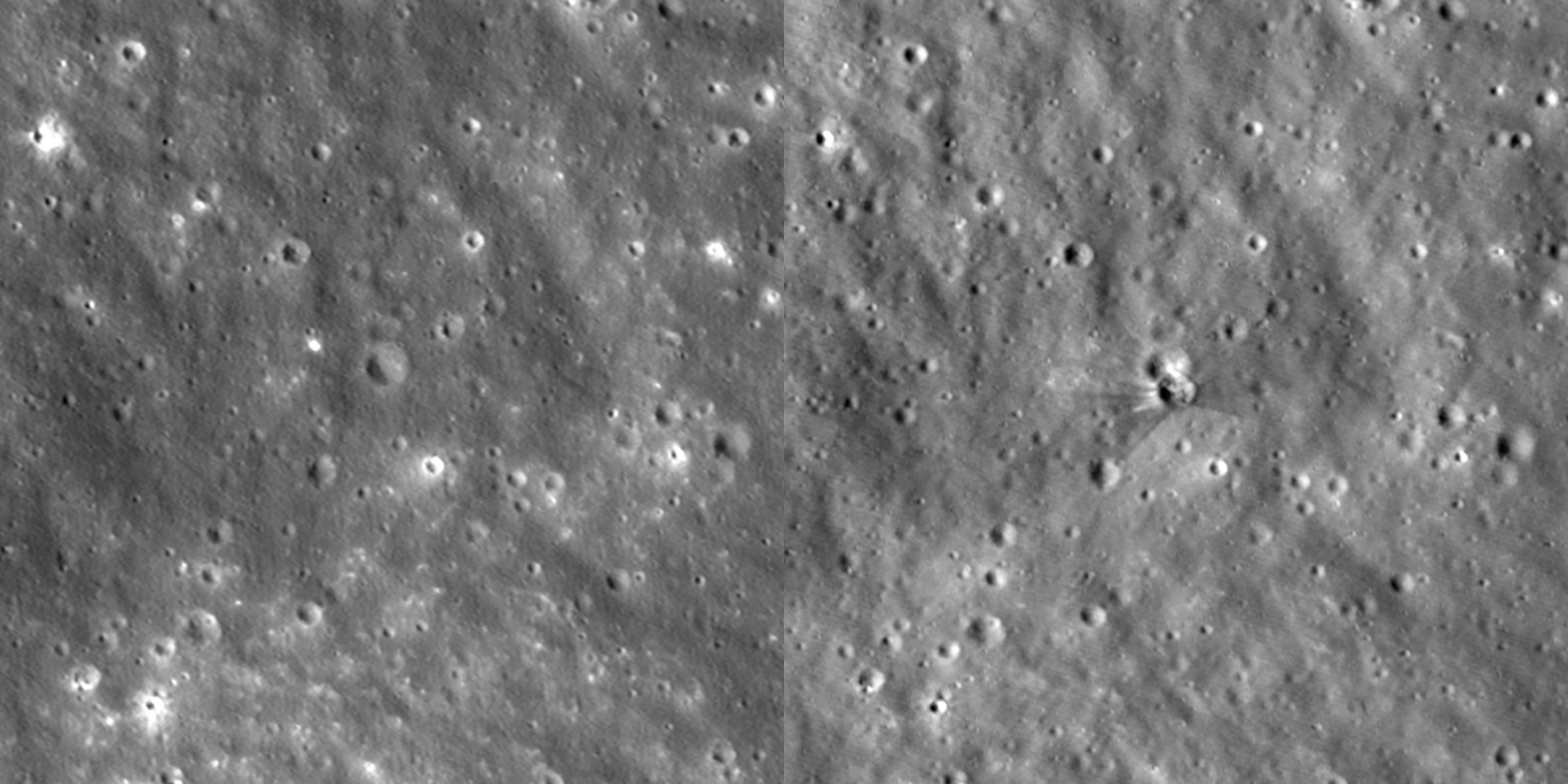
On August 5, 2026, a SpaceX Falcon 9 upper stage struck the Moon's surface, creating a new crater that was later imaged by NASA's Lunar Reconnaissance Orbiter (LRO). Between August 11 and 12, the LRO captured a series of images from different angles as it passed overhead at a speed of 1 mile per second. The images, enlarged three times, reveal a 60-foot-wide crater with a depth of less than 10 feet, determined from the length of its shadow.
The darker area surrounding the crater in the upper-left image is composed of weathered surface material altered by solar wind, galactic cosmic rays, and micrometeorite impacts. The brighter streaks above the crater in the lower-right image are fresher material excavated from deeper beneath the surface.
Written by urgent.news from NASA's reporting — not their text. Machine-written — may contain errors; check the original before relying on it.
This story
This is one outlet's version. Read the fullest account.
- NASA Reveals Before-And-After Images Of Crater Carved By SpaceX Rocket Impact On Moon|Watch Video freepressjournal.in
- NASA’s LRO Images Falcon 9 Crater on Moon, Learns New Details science.nasa.gov
- Before-and-after NASA images show crater carved by a SpaceX rocket that slammed into the moon apnews.com
- NASA's LRO images Falcon 9 crater on moon, learns new details phys.org
- NASA images show crater on moon left by SpaceX rocket lemonde.fr
- NASA Releases Images Of Moon Crater Carved By Crashed SpaceX Rocket ndtv.com
- Before-and-after NASA images show crater carved by a SpaceX rocket that slammed into the moon toronto.citynews.ca
- NASA images reveal crater left by SpaceX rocket's Moon crash nst.com.my