‘My blood sugar level is at 230 mg/dL. Is it dangerous, or can it be controlled?’
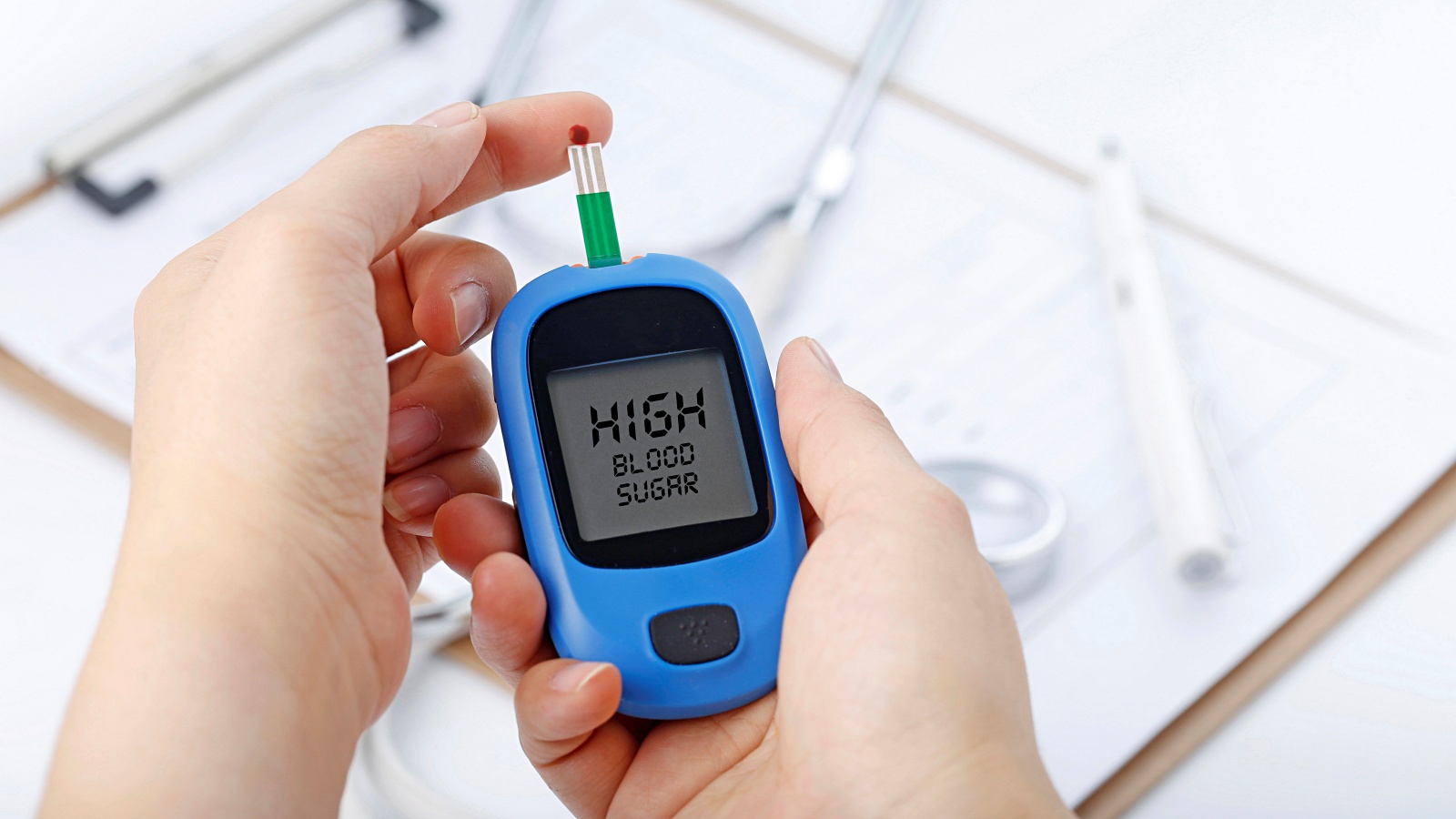
A blood sugar level of 230 mg/dL can be concerning, but it's important to understand what this number signifies and whether it should be a cause for alarm. Dr Rajiv Kovil, a Diabetes & Obesity Specialist at Zandra Healthcare, explains that this reading alone doesn't tell the whole story. The significance of a 230 mg/dL blood sugar level depends on when the test was taken.
Fasting glucose readings indicate the amount of glucose released by the liver overnight, while post-meal readings reflect the glucose from food consumed earlier. That's why a single reading should not be used to determine a person's full blood sugar control picture. Instead, doctors rely on HbA1c, which reflects average glucose exposure over the previous 2-3 months, providing a better understanding of whether the elevated reading is isolated or part of a longer-term pattern.
While a blood sugar level of 230 mg/dL can usually be controlled, it's essential not to ignore it. A doctor's evaluation is necessary to assess the broader metabolic health, which may include checking kidney function, blood pressure, cholesterol levels, and potentially screening for conditions like neuropathy, fatty liver, or metabolic dysfunction-associated steatotic liver disease.
Treating high blood sugar involves structured nutrition, physical activity, weight management, and medication if required, all decided by a doctor based on the individual's overall health.
Written by urgent.news from The Indian Express's reporting — not their text. Machine-written — may contain errors; check the original before relying on it.