Lazy eye in children may go unnoticed — when is an eye check-up needed?
Often called lazy eye, amblyopia may have no obvious signs and can remain undetected during early childhood. Screening, timely treatment and sustained follow-up are important because visual development is time-sensitive
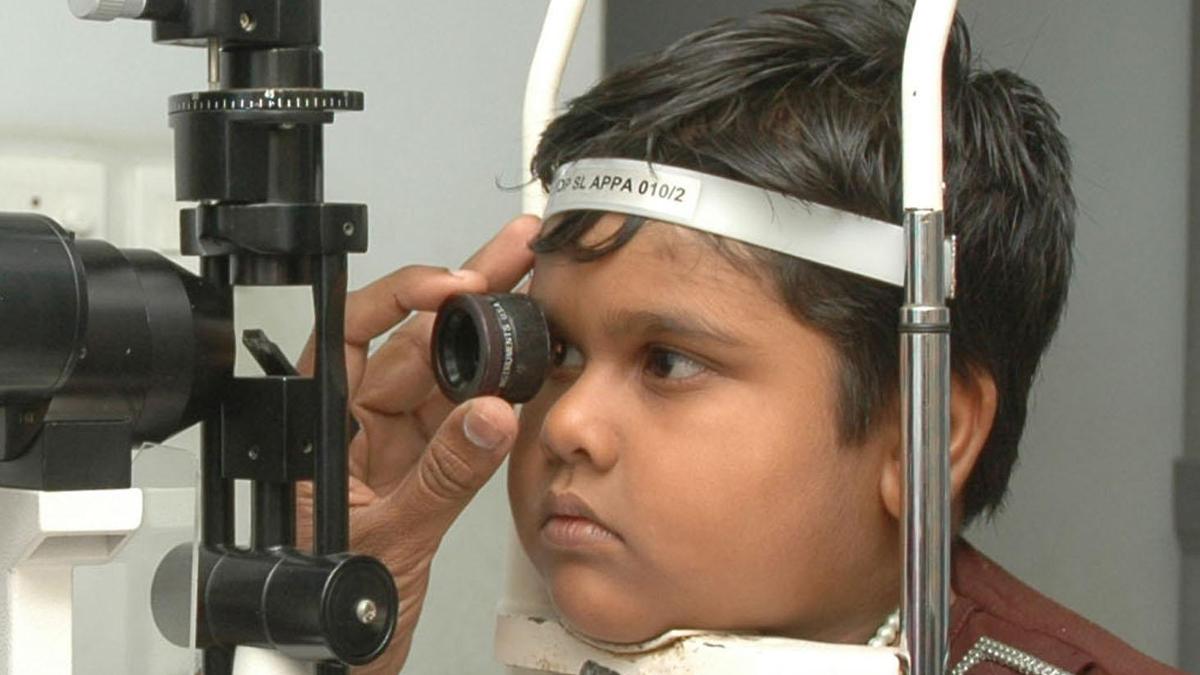
Lazy eye, or amblyopia, arises when a child's brain fails to effectively process visual information from one eye. This can stem from uncorrected refractive errors like farsightedness, nearsightedness, or astigmatism, or from misalignment of the eyes, congenital cataracts, corneal opacity, or any obstruction hindering visual input.
Around 2% to 4% of children under five may experience this condition, though many go undetected due to the absence of noticeable symptoms. Unlike other conditions, amblyopia doesn't present red eyes or visible squints, making it hard to spot. Children often compensate by relying on their better-seeing eye, allowing them to continue daily activities without issue.
This can lead to delayed detection, even during routine childhood screenings, which are not universally practiced in India. School screenings around ages four to five can aid early identification, but access to ophthalmologists, especially in rural or semi-urban areas, may be limited. Families with daily wage work might find it challenging to take time off for appointments.
Early treatment is crucial, as visual development occurs during childhood. Correcting underlying issues, such as refractive errors through glasses, cataracts via surgery, or corneal opacity can help achieve optimal vision. If the eyes are misaligned, squint treatment is necessary. Occlusion therapy, where the better-seeing eye is patched for a certain period, encourages the amblyopic eye to function.
While patching can be challenging for children, alternative methods like using frosted spectacle lenses or pharmacological penalisation with atropine might be considered. Adherence to treatment is crucial, and challenges may arise in adhering to the prescribed regimen daily, especially for young children. Electronic monitoring studies suggest that adherence rates can be improved with better understanding of the practical constraints faced by families.
Innovative therapies, like dichoptic or binocular vision training using digital platforms, are being explored to improve outcomes. These methods, which involve interactive games, augmented reality systems, and gaze-tracking technologies, show promise in increasing adherence rates. However, they are not a substitute for conventional treatment and may not be suitable for all children.
Ultimately, the most effective approach is one that both the child and family can realistically follow, considering their individual circumstances, including work schedules, school routines, and the child's temperament.
Written by urgent.news from The Hindu Health's reporting — not their text. Machine-written — may contain errors; check the original before relying on it.