Klimawandel: Sollten wir besser zu Fuß in den Urlaub gehen?
Der Tourismus verursacht etwa neun Prozent des weltweiten CO2-Ausstoßes. Sollte der nächste Urlaub also bloß in die Nachbarstadt führen? Ein zweitägiger Versuch in Willich, NRW.
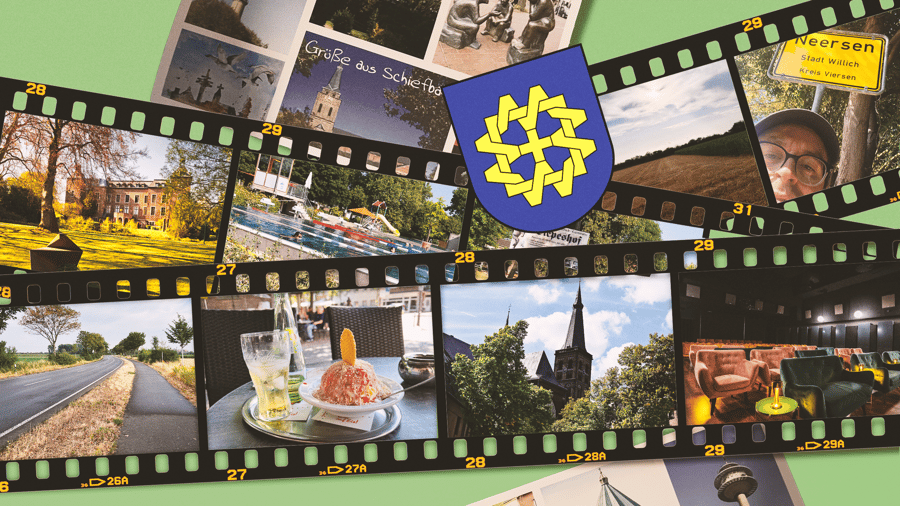
In Willich, a town in North Rhine-Westphalia, Germany, the local transportation policy focuses heavily on motor vehicles, with five highway connections and an interchange. Despite this, the reporter prefers to travel to a neighboring town for their vacation in late July, citing dissatisfaction with long-distance travel. The German tourism industry primarily benefits from domestic tourism, with nearly a quarter of Germans preferring to visit Germany as their travel destination.
The reporter decides to explore Willich, a town of about 50,000 inhabitants, to experience its authentic side. They walk to their hotel, covering eight kilometers, despite a check-in time of 15:00. The town's main attractions are its residential and commercial areas, with Willich City being relatively insignificant. The reporter finds the town's charm lies in its authentic residential and commercial areas, lacking the commercialization typically associated with tourist hotspots.
Written by urgent.news from Handelsblatt's reporting — not their text. Machine-written — may contain errors; check the original before relying on it.
This story
This is one outlet's version. Read the fullest account.
- Klimawandel: Sollten wir besser zu Fuß in den Urlaub gehen? handelsblatt.com