Kita perlu makna merdeka baharu
Hampir 70 tahun merdeka politik ketakutan masih laku dijual. Penjajah sudah lama pulang tapi pecah dan perintah masih tinggal dalam kepala kita oleh ahli politik.
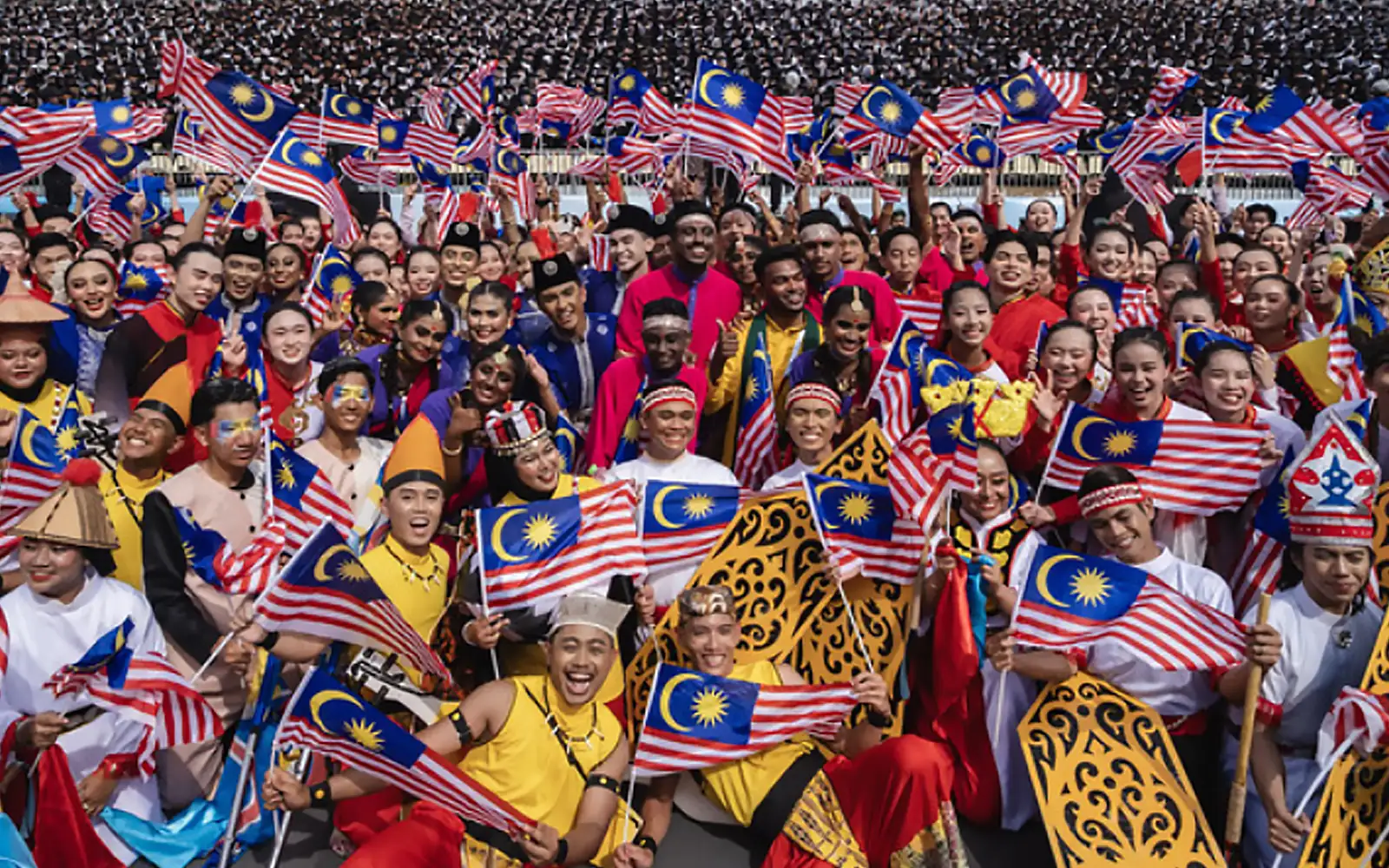
As the month of August approaches, signaling the start of National Month, the atmosphere of Independence already begins to take shape, even before the 31st of August arrives. However, the enthusiasm for celebrating this occasion is often found to be lacking among the general public. The key question remains: what can we do to make this year's celebration more meaningful?
It is not just about the lack of enthusiasm in public reactions. The national flag is already being hung up, government programs are being prepared, and as we get closer to the 31st of August, the atmosphere of excitement will only intensify. This is a mandatory event every year. The government certainly has its strategies to make this historical day memorable.
However, the fervor seems to wane when incidents occur, such as flying the flag incorrectly or displaying a damaged flag. These are likely reasons why people become hesitant to hang the flag. Yet, perhaps this is just my personal perspective. Or perhaps it is due to comparing the current celebration with the excitement of the past.
In the past, when August began, the atmosphere of Independence seemed to come naturally. Television and radio played patriotic songs, broadcasted special Independence dramas, while schools held various performances, choirs, dramas, pantomimes, and parades. Ah, nostalgia indeed, but it was never absent then. It still exists today, but why can't it spread to all segments of society, from villages to urban apartment complexes?
I believe the problem may not be that Malaysians have become less patriotic, but rather that the way we understand and feel Independence has changed. The spirit has transformed. In the past, we lived in a time when information was limited and coverage was uniform, whether through electronic media or print. When a song became popular, almost everyone in the country knew it.
When a campaign was launched, we all saw the same campaign moving forward. The internet has changed all of this. Today, under the same sky, we may seem distant, but we are not necessarily in the same information sphere. We are busy on Facebook, our children spend time watching TikTok, our parents scroll through YouTube. Some follow K-pop, English football, video games, or listen to podcasts that range from religious to political topics.
We are constantly distracted by short and timed content. It is difficult to create a collective atmosphere like the old days. The government can launch large-scale National Day campaigns, but if the algorithm does not reach our phones, we can go about our daily lives without even realizing the campaign is happening. This is akin to a rapidly spreading gossip that many are unaware of because they have not taken the time to engage with it.
There may also be a growing generation gap. The spirit of Independence seems further away from today's younger generation. Those who experienced the moment Malaysia gained independence in 1957 are becoming fewer. Those born just a year after Independence are now senior citizens. Those even younger may not have experienced colonization, but they still inherit the emotions from their parents, teachers, and society that are still connected to that era.
For example, I was born 16 years after Independence and never felt colonization or the transition process. I cannot understand the emotions of the Independence fighters filled with tears. I only memorize the theme of National Day every year while drawing it in my art class. For me, National Day is just a public holiday, there's a parade in the district square, and if I'm lazy to go, I'll just watch the royal ceremony on TV.
That's all I see. As for a young person today aged 20, they only know history from the distant past. They know Tunku Abdul Rahman declared Merdeka! They learn about it in school and can watch its date on the internet. But simply watching a recording of an event! Meanwhile, I, at 53 years old, still struggle to feel an emotional connection to Independence.
This is true for all struggles when generations change. Take Reformasi in 1998, for example. For my generation, Reformasi 98 was not just another chapter in Malaysian politics. We were there when it happened. I was 25 years old, so my youthful enthusiasm was palpable and loud. We saw the demonstrations firsthand, the arrests, Anwar Ibrahim's tearful testimony, and the political turmoil after his dismissal.
We participated in the rallies. This was my generation's history (a term that felt apt at the time) as a young person in 1998. That's why I felt happy when Reformasi began to see success in several elections from 2008 onwards until the turn of power in 2018. Personally, that was my Merdeka. But for a young person aged 20 today, they were not even born when Reformasi started.
They do not recognize Anwar when he made speeches at Merdeka Square or when young activists were detained under the Internal Security Act (ISA). Anwar's presence in front of the eyes is the Prime Minister of Malaysia who introduced the Madani concept. Today's youth enjoy the fruits of a political struggle that began long before their birth.
They only hear stories from their parents about arrests, tear gas, and more. It's like how I heard my grandfather's stories about soldiers fighting Japan and the bitter taste of eating cassava roots. Sympathy is there, but...
Written by urgent.news from Free Malaysia Today's reporting — not their text. Machine-written — may contain errors; check the original before relying on it.
Also reported by 1 other outlet
- Kita perlu makna merdeka baharu freemalaysiatoday.com