Join EU migration pact to tackle small boats, says Ed Davey
The Liberal Democrats say taking part in the scheme would "destroy the business model" of gangs arranging Channel crossings.
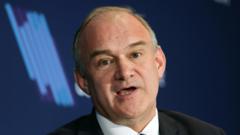
Ed Davey, the leader of the Liberal Democrats, advocates for the UK to join the EU's Migration and Asylum Pact to address small boat crossings. The agreement, which began in June, aims to accelerate the asylum process, increase the return of irregular migrants to their home countries, and distribute responsibility among EU nations.
Ed contends that aligning with the pact would enable the UK to repatriate asylum seekers from the first EU country they entered, eroding the profit motive of the criminal gangs involved in such crossings. Labour claims the government's efforts to collaborate with European nations on small boat crossings have yielded results: over 47,000 crossings have been thwarted in two years, and 70,000 individuals without a right to be in the UK have been removed.
This year alone, more than 14,000 people have arrived in the UK by small boat, a 43% decrease compared to the previous year. The EU's new pact introduces mandatory screening and an updated database to monitor arrivals. EU nations must accommodate migrants from countries witnessing the highest influxes, such as Italy and Greece, or contribute additional funding or resources.
Joining the pact would obligate the UK to accept some asylum seekers from the EU, although the Liberal Democrats argue the numbers would be lower than those currently traversing the Channel by small boat and would undergo screening before entering the country. The party asserts the scheme would save British taxpayers money, with the annual cost of participation estimated at £100 million, a small fraction of the £5 billion spent on the failing asylum system.
Sir Ed contends that the plan would finally end the small boats crisis by creating a pact with every EU country, allowing the return of individuals who cross the Channel, thereby eliminating the primary incentive created by Brexit proponents like Nigel Farage.
Written by urgent.news from BBC News's reporting — not their text. Machine-written — may contain errors; check the original before relying on it.