India’s student protests exposed deeper anxieties over education and jobs as AI reshapes work
In part two of a series on education issues in India following youth protests, CNA examines whether universities are keeping pace with a changing world of work, while young Indians grapple with their futures amid a shortage of quality jobs.
In India, recent student protests have revealed deeper concerns over education quality and employment prospects as artificial intelligence (AI) alters the job market. At 20, Delhi University student Shivam Kushwaha skipped classes in February and May to attend the AI Impact Summit and protest a leaked National Eligibility cum Entrance Test (NEET) paper.
Kushwaha and fellow student Ruhi Kabra joined thousands in demanding change, believing the protests were just a catalyst for long-standing frustrations. Economists, educators, and recruitment firms attribute the unrest to systemic issues like youth unemployment, rising living costs, and doubts in India's higher education system.
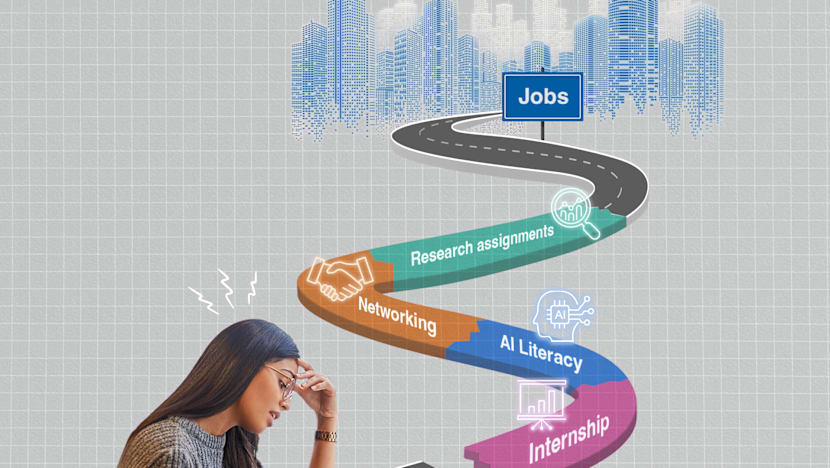
As AI reshapes the workforce, universities are pressured to equip students with relevant skills. However, India is not generating enough high-quality jobs, exacerbating anxiety among graduates. Government data shows a youth unemployment rate of 9.9% in 2025, higher than the overall rate of 3.1%. Even among graduates, unemployment remains elevated at 6.5%, compared to 11.2% among those with only secondary education.
Experts note students' growing anxiety stems from uncertainty about the job market and the relevance of their education. To bridge the gap, students like Kushwaha are supplementing their studies with self-directed learning in AI tools, recognizing that the education system is lagging.
Written by urgent.news from Channel News Asia's reporting — not their text. Machine-written — may contain errors; check the original before relying on it.