Indian rock yields oldest directly dated traces of microbial life: study
‘To our knowledge, (this) is the oldest directly dated rock with a confirmed biosignature,’ say the authors
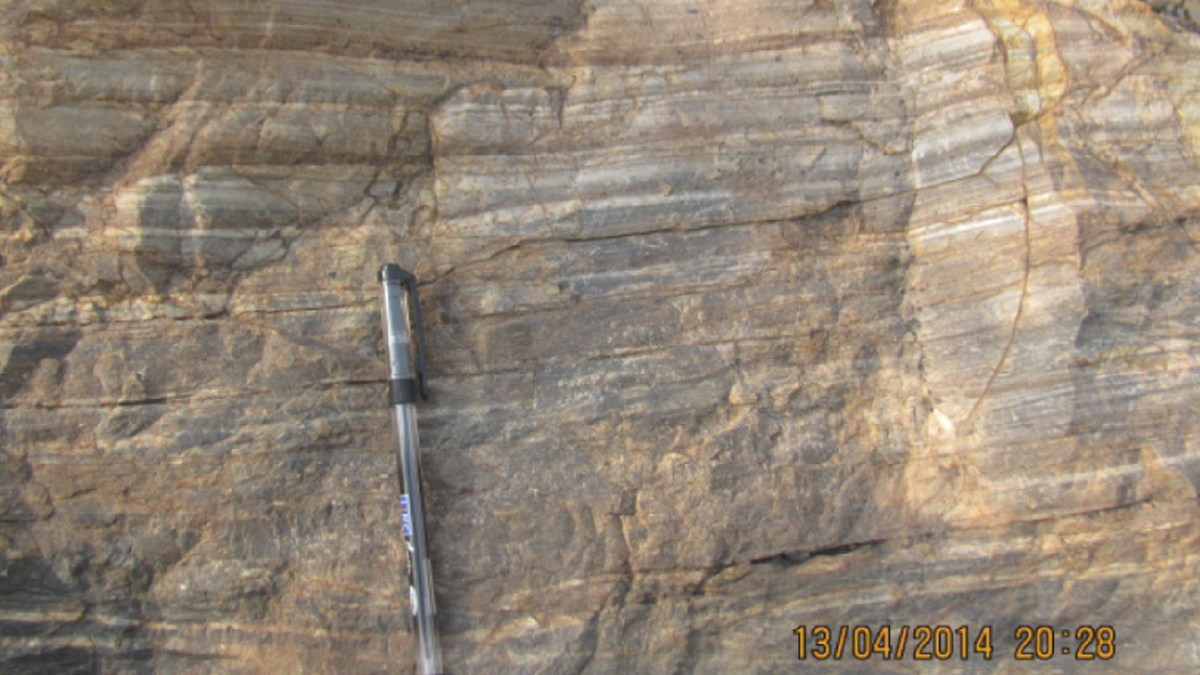
Researchers from the Geological Survey of India and the University of California, Los Angeles claim to have discovered "compelling evidence" of microbial life dating back to at least 3.5 billion years ago in what is now eastern India. Their findings, published in the Proceedings of the National Academy of Sciences, rely on a combination of chemical and geological clues found in a single carbon-bearing rock from the Singhbhum Craton.
This ancient, stable block of continental crust in eastern India contains some of the oldest rocks in the country, formed more than 4 billion years ago. The rock, a "black-and-white" banded chert from Bhitardari, provides a firm age of 3,497 million years, determined through the analysis of zircons trapped within it. These four zircons, found to be volcanic ash that settled during the formation of the chert, serve as the basis for the team's conclusion that the rock itself is 3.5 billion years old.
The carbon within the chert exhibits a specific balance of isotopes that aligns with carbon captured by living cells, suggesting a biological origin. Additionally, the material is degraded organic matter rather than potential contamination from later inorganic sources. The researchers emphasize that their discovery hinges on the chemical composition and geological context of the rock.
While older claims of microbial life have been made, such as graphite found in 3.7-to-3.8-billion-year-old Greenland rocks, these findings have often been met with skepticism. The authors caution that their case is based on a combination of chemical analysis and geological evidence. If confirmed, this finding could provide valuable insights into the early stages of life on Earth and the potential for life to emerge on habitable worlds.
Written by urgent.news from The Hindu - Sci-Tech's reporting — not their text. Machine-written — may contain errors; check the original before relying on it.