How India seeks to harness the ecological and economic benefits of bamboo
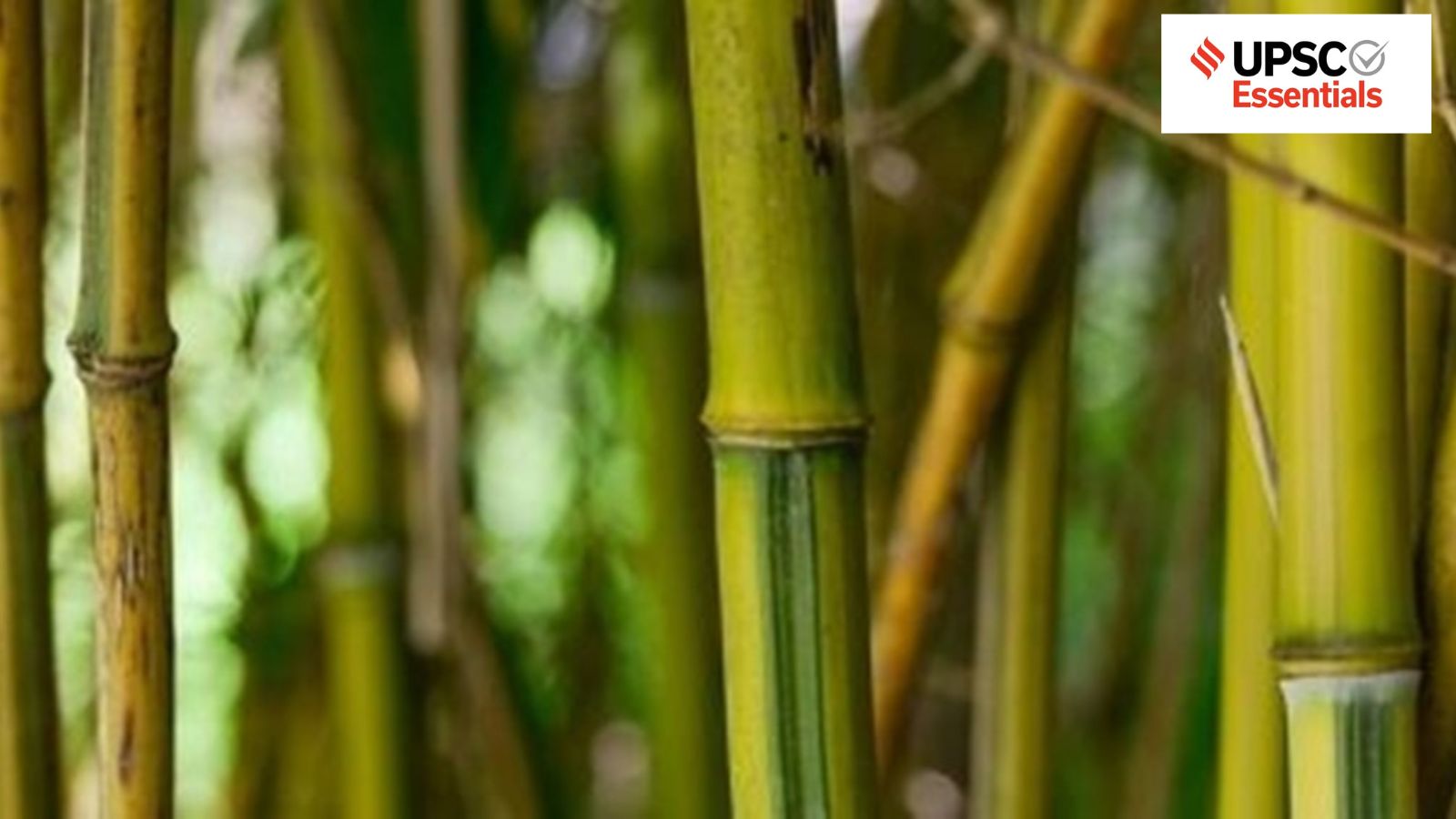
India, the world's second-largest producer of bamboo, is actively seeking to harness the ecological and economic benefits of this versatile plant, often referred to as "Green Gold." Spanning 13.96 million hectares, India boasts the largest area under bamboo cultivation globally, and is also second richest in terms of bamboo diversity, with 136 species - 125 indigenous and 11 exotic.
The UN Decade on Ecosystem Restoration (2021-2030) provides an opportunity to examine the importance of bamboo in terms of its ecological and economic significance. Bamboo is a fast-growing grass, capable of growing up to 30 to 100 cm per day during the growing season, and can reach heights of 36 meters. It is found in tropical and warm temperate regions of Asia, Africa, and the Americas, and is used by more than 2.5 billion people worldwide for various purposes including livelihood, handicrafts, building materials, furniture, boats, textiles, musical instruments, food, energy, and herbal medicine.
India's National Bamboo Mission, launched in 2006, has contributed significantly to expanding bamboo cultivation. The mission has helped in establishing linkages between farmers and industries, making bamboo production commercially lucrative. The government recently amended the provisions of the Indian Forest Act (1927) to allow the felling and transit of bamboo in non-forest areas without restriction. However, despite its vast potential, India still has vast untapped bamboo production potential.
Written by urgent.news from The Indian Express's reporting — not their text. Machine-written — may contain errors; check the original before relying on it.