How Gulf Oil Is Escaping the Strait of Hormuz
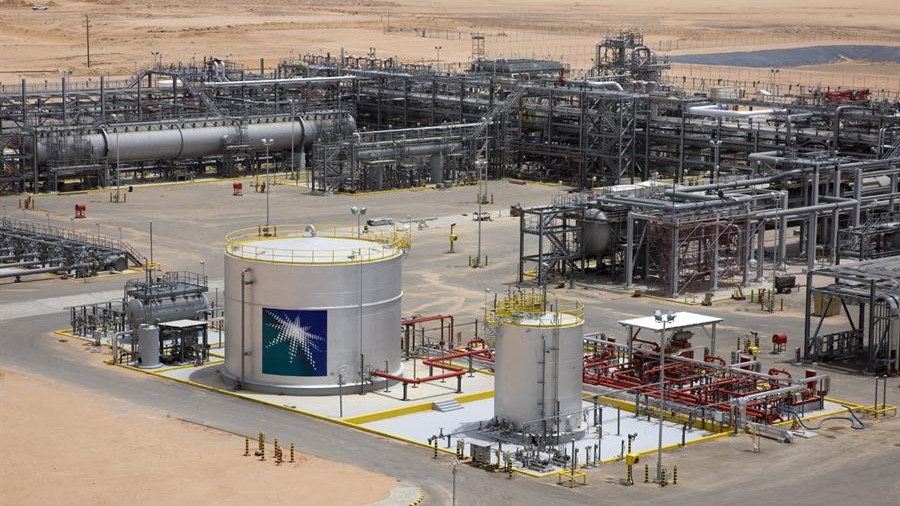
Gulf oil producers are discovering new methods to bypass the Strait of Hormuz, but doing so comes with increased risks. VLCC rates are skyrocketing due to the strait's reduced capacity, with some voyages costing over $500,000 per day. Saudi Aramco has resumed loading at its Ras Tanura terminal, resulting in higher fixing costs for inside-Hormuz cargoes.
Several Saudi-origin VLCCs are being privately booked without brokers, with some shipments being transferred off Fujairah in the UAE. Shipping rates are increasing across Asia, despite a shortage of empty VLCCs. US oil companies Chevron and Targa Resources are investing in new oil and gas projects. Norway's Equinor has acquired a majority stake in a Pennsylvania power plant, expanding its natural gas generation capacity.
Despite Trump's threats, oil prices continue to rise, hitting $91 per barrel. In the Middle East, Iran has adopted a more aggressive stance, while China has ceased using Hormuz for its Middle Eastern crude imports, redirecting its fleet to Fujairah and Oman. Brazil's Petrobras is optimistic about an untapped oil basin in the Amazon region.
US diesel prices have reached an all-time high, and Canada's West Coast pipeline is gaining support from oil producers.
Written by urgent.news from Yahoo Finance's reporting — not their text. Machine-written — may contain errors; check the original before relying on it.
This story
This is one outlet's version. Read the fullest account.
- How Gulf Oil Is Escaping the Strait of Hormuz oilprice.com