Ghana Water Limited clarifies mandate over river turbidity data
Ghana Water Limited (GWL) has clarified that it is responsible for treating raw water and supplying potable water to urban populations, and does not hold official turbidity data on natural river bodies. The company said the monitoring and management of river bodies, including the collection and custody of turbidity data, fall within the mandates of the Water Resources Commission (WRC) and the…
Ghana Water Limited (GWL) has clarified its role in relation to river turbidity data, stating that it is solely responsible for treating raw water and supplying safe drinking water to urban areas. The company does not possess official records of turbidity in natural river systems. Monitoring and managing these water bodies, including collecting turbidity data, is the responsibility of other governmental organizations.
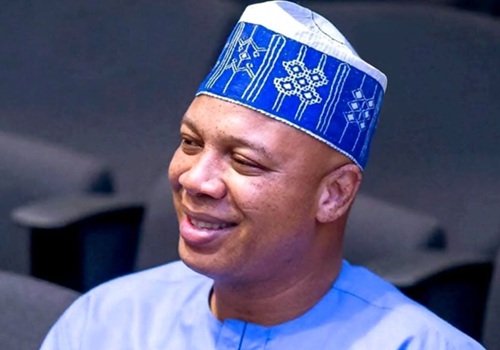
This clarification comes after a video surfaced on social media, raising questions about access to information regarding river turbidity and pollution levels. In a statement, GWL's Managing Director, Adam Mutawakilu, explained that the company conducts internal turbidity tests as part of its water treatment procedures. If the raw water quality surpasses safe treatment levels, GWL may halt treatment operations.
However, they emphasized that these internal assessments should not be conflated with official monitoring data on natural river bodies, which is the responsibility of the Water Resources Commission (WRC) and the Environmental Protection Agency (EPA). The company also refuted allegations that the presidency had instructed them to conceal turbidity data.
The core issue, GWL asserted, lies in the public's need to differentiate between the various institutions' responsibilities in Ghana's water management system. GWL's mandate centers on the treatment of raw water and the production/distribution of potable water to urban populations. They monitor the quality of water entering their treatment plants to ascertain its safety for consumption.
The WRC and EPA, in contrast, are tasked with overseeing the monitoring and management of natural water bodies and environmental pollution. GWL urged the public to approach claims in the circulating video with skepticism and to seek information on river turbidity and pollution levels from the appropriate agencies. The company's clarification aimed to ensure a clear understanding of the distinct mandates of the Water Resources Commission (WRC), the Environmental Protection Agency (EPA), and Ghana Water Limited (GWL).
Written by urgent.news from MyJoyOnline Ghana's reporting — not their text. Machine-written — may contain errors; check the original before relying on it.