From the Countryside to the World: Colombia Redefines its Relationship with Horses
Colombia has a long-standing relationship with horses, from agricultural activities and rural life to sports, breeding, and regional traditions; horses have played an important role across different parts of the country for generations. Now, a Colombian initiative seeks to build on that historical connection to promote a new way of positioning the country internationally, this […]
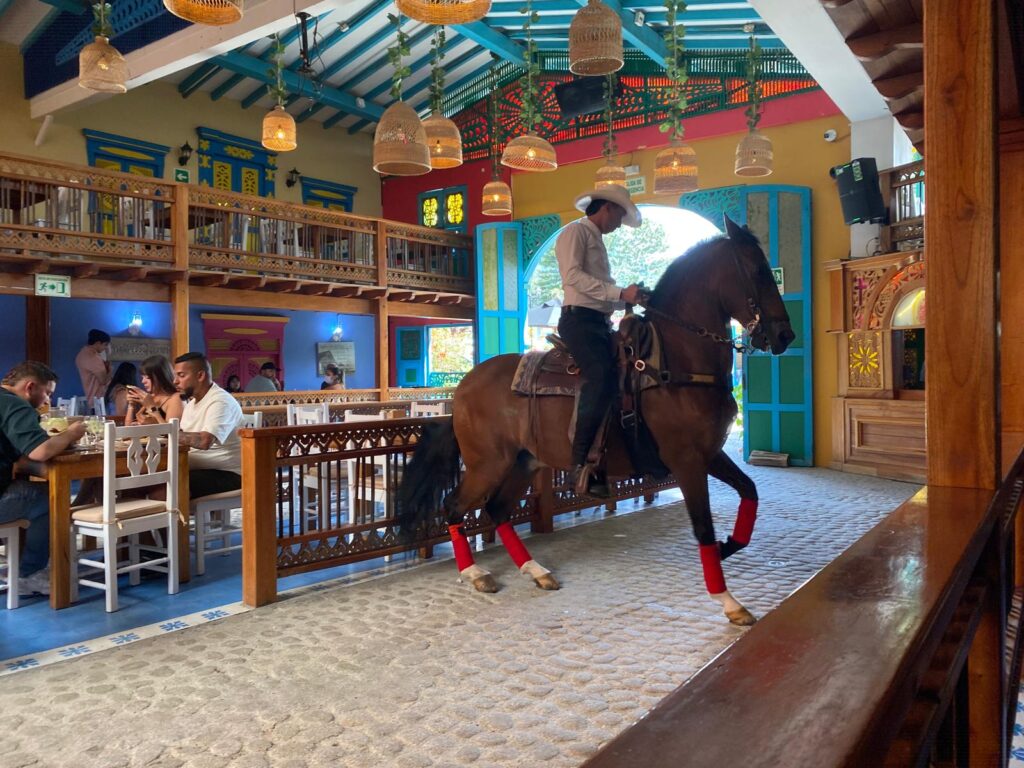
Colombia is redefining its relationship with horses by embracing a new model centered around trust, communication, and equine welfare. This shift stems from a broader international trend that prioritizes the animal's behavior, emotions, and well-being over traditional methods focused on control and performance.
The Caballos con Alas Foundation has launched a long-term strategy to position Colombia as an international destination for respectful horse training, liberty work, and equestrian education. The initiative seeks to build an ecosystem around horses, bringing together professionals, therapists, rural communities, educational institutions, and animal welfare organizations. The project's ultimate goal is to create opportunities for training and international exchange.
The World Congress of Horse Trainers, set to take place in Bogota from September 18-27, 2026, will be the first major event to showcase these new methodologies. Participants include renowned equestrian professionals such as French trainer Jean-François Pignon, Argentine trainer Cristóbal Scarpati, and Colombian expert Juan Pablo Saiz. The Congress aims to promote horse welfare by prioritizing mental and emotional well-being, rather than simply focusing on performance.
This shift in perspective aligns with a growing international conversation about the importance of animal welfare in the equestrian world. As Colombia embraces this new approach, it faces the challenge of translating these principles into verifiable standards for training and animal care.
Written by urgent.news from Colombia One's reporting — not their text. Machine-written — may contain errors; check the original before relying on it.