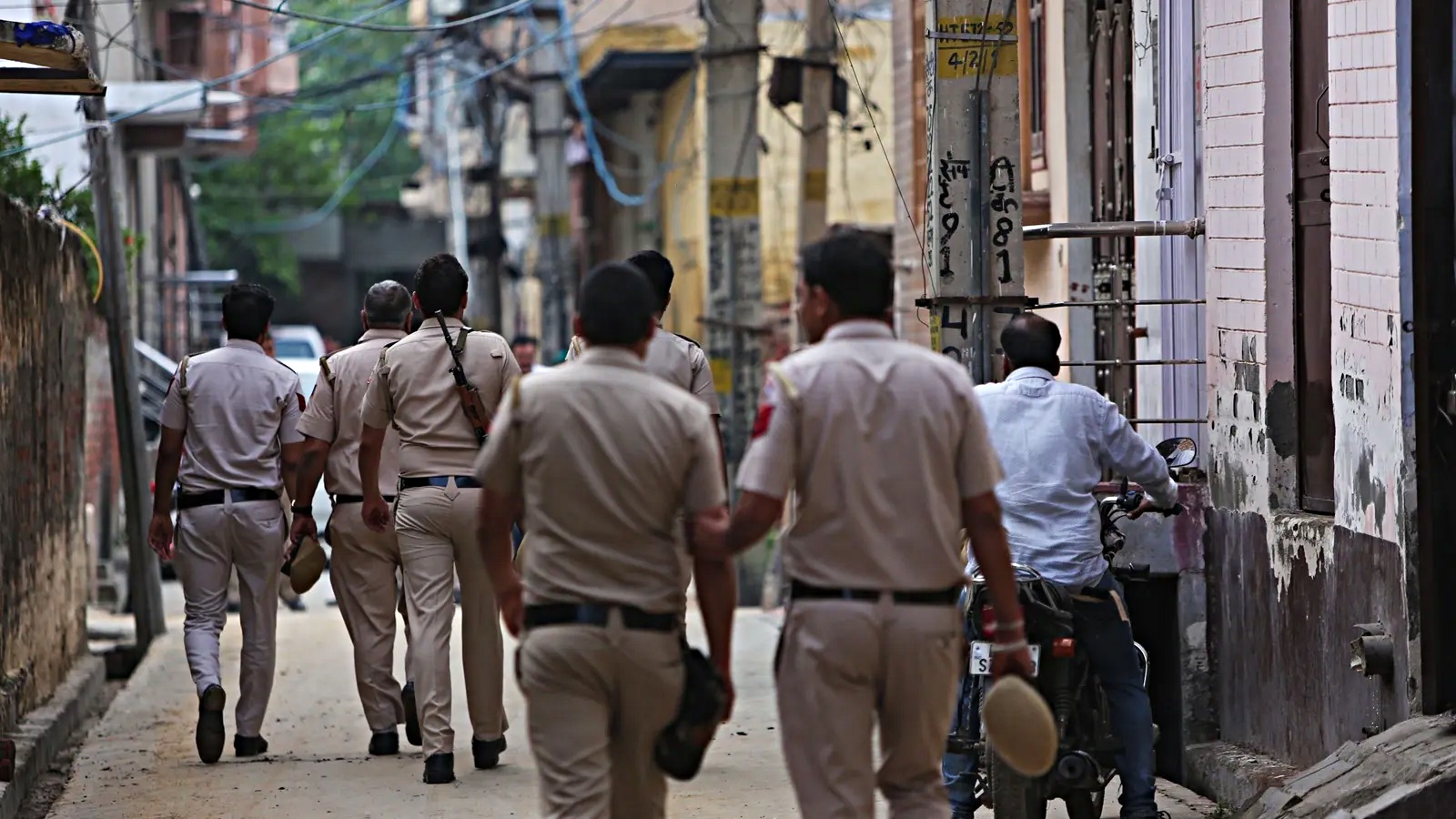
Foreign workers’ exclusions from gambling in S’pore have grown. What’s behind the numbers?
The uptick is mainly driven by employers, who can make such exclusions with the workers' consent.
In recent years, there has been a notable surge in the exclusions of foreign workers from certain gambling activities in Singapore, according to statistics from the National Council on Problem Gambling (NCPG). In 2024, about 24,000 foreigners were barred from online betting on Singapore Pools, while roughly 28,000 were excluded from jackpot machine rooms – a five-fold increase from 2022, where the figures were about 4,100 and 5,100, respectively.
The majority of these exclusions, around 155,000 each year, target casino gambling, a figure that has remained constant over the same period. About 90% of the excluded foreigners hold work permits, the typical pass type for migrant laborers and domestic workers. These restrictions are either imposed by the workers themselves or by their employers, effectively barring them from gambling for at least a year.
The increase in exclusions is primarily due to employers seeking to protect their workers from the potential harms of casino gambling. Since 2022, employers in Singapore have been permitted to exclude workers from a broader range of gambling activities beyond casinos. Of the 154,261 foreigners excluded from casinos in 2024, only 13% of the total foreign workforce in the country falls under this category, indicating that problem gambling is a relatively minor issue among migrant workers.
Those involved in addressing the issue, such as Laavanya Kathiravelu, an associate professor at Nanyang Technological University, view the rise in employer-driven exclusions as a positive development. If these decisions are made transparently and without coercion, they could benefit both employers and workers by preventing potential problems related to gambling addiction.
Some employers have adopted voluntary self-exclusion as a condition of employment, with as many as 95% of workers at Wee Chwee Huat Scaffolding & Construction opting to do so. This practice is viewed as an essential part of employers' responsibility, as gambling addiction can negatively impact workers' jobs and personal lives. The National Council on Problem Gambling identifies migrant workers as a particularly vulnerable group prone to casino-related gambling harms.
Due to not having to pay the entry levy, NCPG extends additional protective measures such as self-exclusion and provides education on the risks associated with gambling. While some migrant workers gamble for leisure or hope to win quickly, others may be driven to gamble due to debts owed to recruitment agents. In extreme cases, some may engage in gambling as a means to repay these debts.
Social media platforms, such as TikTok, have also become a source of concern for migrant workers, with some women falsely claiming to have won substantial amounts in Singapore Pools' Toto draws. However, the authenticity of these claims remains unverified, and it is unclear whether the displayed winnings are actual lottery payouts or simply salary payments.
For migrant domestic workers, the prospect of quick money often appears in their online activities. Employers have noticed that some workers experience gambling problems, which can lead to distractions at work or even suicidal thoughts, requiring referrals to counseling services. While problem gambling affects only a minority of foreign workers, it can have severe consequences, particularly for those with limited incomes and lacking safety nets such as mandatory wage floors or structured financial assistance schemes.
Written by urgent.news from Straits Times's reporting — not their text. Machine-written — may contain errors; check the original before relying on it.