FAO: Only 3% of Gaza’s farmland accessible as conditions worsen
The UN Food and Agriculture Organization warns most farmland in Gaza is damaged or inaccessible, urging swift action to restore agricultural production.
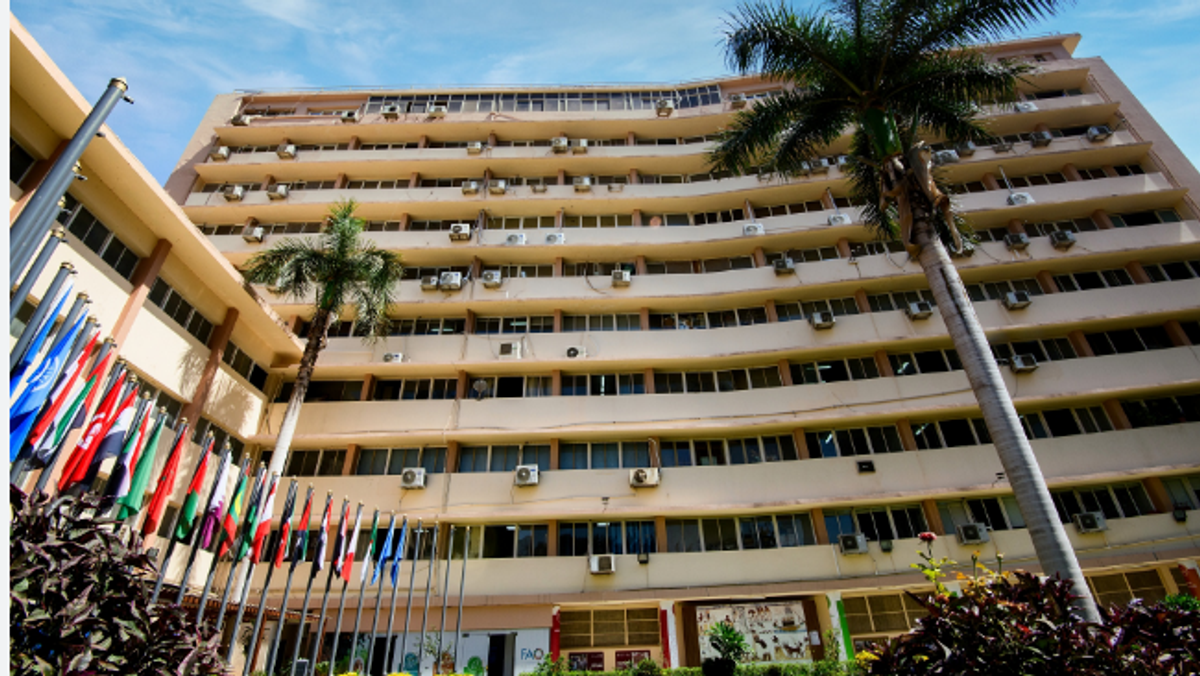
The UN Food and Agriculture Organization (FAO) has determined that only 3% of agricultural land in Gaza remains accessible and undamaged, according to a recent geospatial evaluation. This significant decline, marking a drop of over 25% since the ceasefire in October 2025, is largely attributed to restricted access due to the expansion of the "yellow line" buffer zone between ceasefire zones and Israeli military-controlled areas.
The assessment, conducted in collaboration with the UN Satellite Centre, also revealed a sharp decrease in greenhouse areas, with the most severe reduction observed in Deir al-Balah, a central Gaza region.
Rein Paulsen, Director of the FAO's Office of Emergencies and Resilience, expressed grave concerns over the deteriorating state of Gaza's agricultural sector. He highlighted that limited access to farmland is severely impeding food production, even in regions where agricultural assets are still intact. Paulsen stressed that the ongoing restrictions on farmers' ability to reach their lands will further diminish prospects for reviving local food production unless immediate steps are taken to ensure safe access to land and provide necessary agricultural support.
Furthermore, the FAO pointed out that the sector's recovery is further hampered by severe shortages of essential inputs such as seeds, fertilizers, irrigation equipment, and fuel, as well as challenges in supplying feed and veterinary care to livestock. These challenges underscore the urgent need for sustainable action to restore agricultural production in Gaza.
The organization called for measures to facilitate farmer access to their land, enable the distribution of agricultural inputs, and support the rehabilitation of damaged farmland to prevent further decline in the agricultural sector.
Written by urgent.news from Ajel English's reporting — not their text. Machine-written — may contain errors; check the original before relying on it.