Exercised 'maximum restraint' during CJP protest, Delhi Police tells SC; denies using nail-fitted lathis
The Delhi Police told the Supreme Court that it used ‘minimum required force’ during the CJP's 20 July ‘Chalo Sansad’ march. The police denied allegations of excessive force and nail-fitted lathis, while defending the use of facial recognition technology.
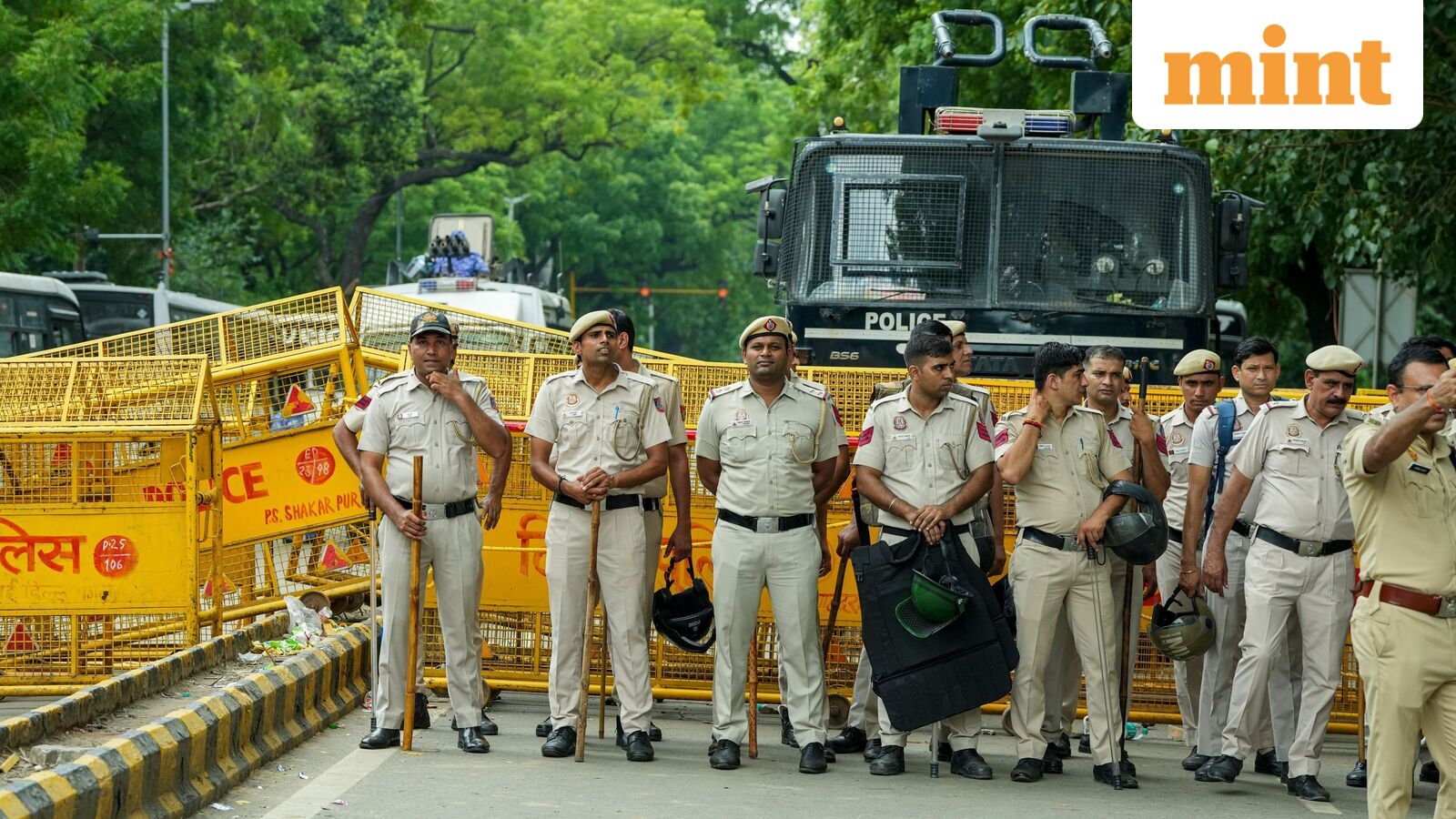
Nearly a month after the Cockroach Janta Party (CJP)-led protesters organized a <highlight>Chalo Sansad</highlight> march on July 20, the Delhi Police defended its use of force during the demonstration in a recent affidavit submitted to the Supreme Court. The force used, according to the police, was <highlight>maximum restraint</highlight> and the minimum required to control the unruly protesters at Jantar Mantar.
The situation escalated when protesters became violent and tore down multiple layers of barricades while attempting to march towards Parliament to demand the resignation of Education Minister Dharmendra Pradhan.
Deputy Commissioner of Police (New Delhi District) Sachin Sharma denied allegations that police personnel used nail-fitted lathis, asserting that the footage supporting the claim was based on only a single video. The police claimed there was no medical evidence to support the allegations that protesters suffered injuries from nails embedded in lathis.
They also refuted claims of excessive force, stating that the scale of the gathering and the deployment of over 5,000 police personnel were sufficient to control the situation.
The Delhi Police further clarified their use of facial recognition technology, which was scrutinized in a separate petition before the apex court. The system generates alerts when individuals with a criminal history are identified, and personnel on the ground verify the information. Between July 20 and 26, the system flagged 2,873 individuals linked to existing criminal records, 92 of whom were named in more than 10 criminal cases, and 47 were designated as history-sheeters.
The offences associated with those identified included serious crimes such as murder, rape, and violations under the POCSO and NDPS Acts.
Written by urgent.news from Live Mint's reporting — not their text. Machine-written — may contain errors; check the original before relying on it.
This story
This is one outlet's version. Read the fullest account.
- Why were police personnel in plain clothes during CJP parliament march? Delhi police says this hindustantimes.com
- ‘High-powered committee to probe alleged Delhi Police excesses’: SC on Jantar Mantar protests timesofindia.indiatimes.com
- Plainclothes cops at CJP march were for crowd control: Delhi Police to top court indianexpress.com